
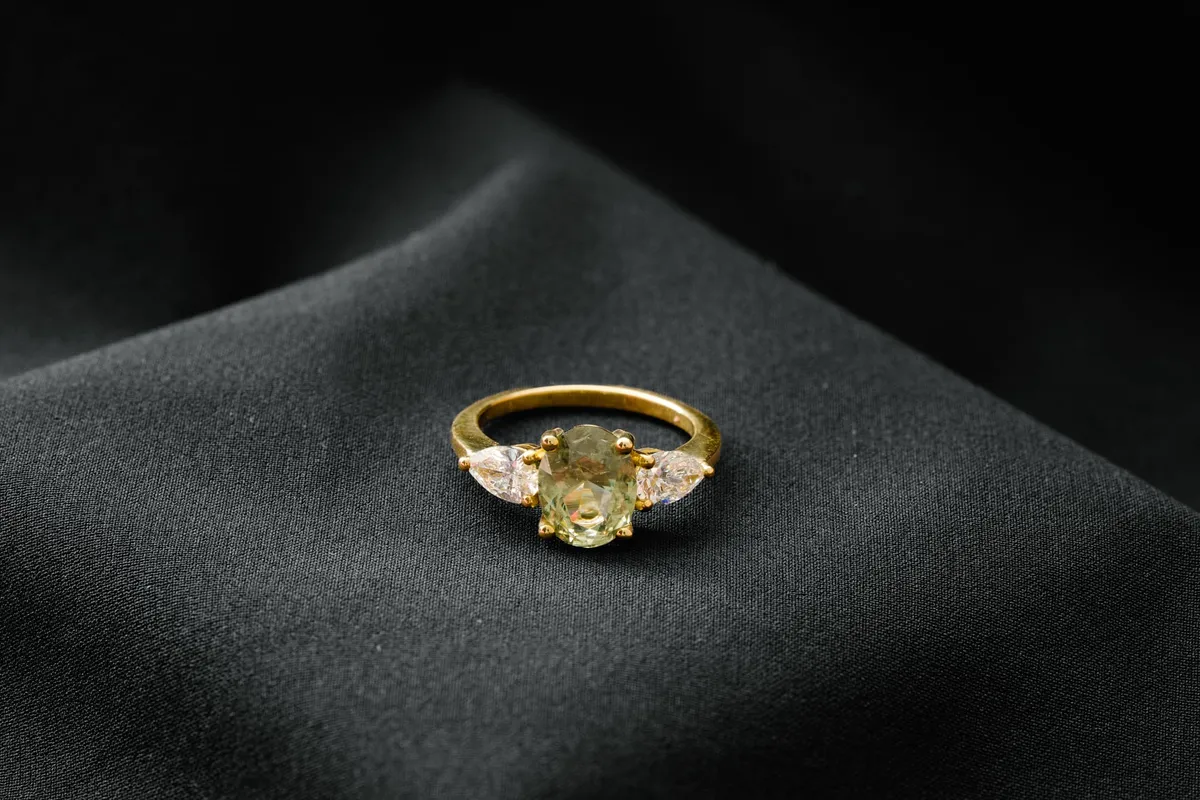
Reset diamond vs upgrade stone is the question you end up asking when your ring still means the world to you, but the look just isn’t landing anymore. Maybe your taste has shifted, maybe your lifestyle has changed, or maybe you’re simply ready for something that feels more current when you catch it in the light. I’m the founder of Quantum Qarat here in Phoenix, and I help people sort this out all the time, without pressure and without the jargon.
Here’s the simple promise of this post: by the end, you’ll know whether you’re better off changing the setting around your diamond or changing the diamond itself. And if you’re still on the fence, I’ll give you the exact questions I use at the bench to get you unstuck.
Reset diamond vs upgrade stone: the quick, practical difference
If you want the cleanest definition, this is it:
- Resetting means you keep your current center diamond and rebuild the ring around it: new setting, new metal, new details, new vibe.
- Upgrading means you replace the center diamond with a different one, usually larger, a different shape, or a step up in cut quality. Sometimes you keep the setting, sometimes you redesign it too.
| Path | What changes | Why people choose it | Typical budget impact |
|---|---|---|---|
| Reset your diamond | Setting, metal, accents, overall style | You love the stone but want a new look or better durability | Usually lower |
| Upgrade the center stone | The diamond (size, cut, shape, quality) | You want a noticeable change in presence or sparkle | Usually higher |
What “resetting” actually looks like in real life
Resetting is exactly what it sounds like: I remove your diamond from its current ring and set it into a new design. People are often surprised by how dramatic this can be. A new setting can change everything: how big the diamond looks, how it sits on your finger, how comfortable it is, and whether it snags on sweaters or glides right past.
Resetting is also a great option when the ring needs attention anyway. If your prongs are thinning or the head is worn, you’re already in the territory of “let’s fix the structure.” At that point, doing a reset can feel like a two-for-one: you get security and a new style in the same project. If you’ve ever dealt with a loose stone, you know why I’m picky about maintenance. I wrote a step-by-step guide for that exact scenario here: Help, a diamond fell out of my ring: what to do now.
If you want a broader view of how common resets are, and why people do them, the team at Brides has a helpful overview that matches what I see in the studio: Reset diamond rings guide.
Reset diamond vs upgrade stone: when a setting change gives you the biggest visual bump
If your diamond feels “small” but you don’t actually want to replace it, the setting can do a lot of work for you. I’ll walk you through the options I reach for most often, depending on what you want the ring to do day-to-day.
- Halo: One of the easiest ways to make your center look larger, and it photographs beautifully.
- Three-stone: More finger coverage and a balanced look, especially if your center is elongated.
- Pavé or accent diamond band: Adds sparkle from angles you don’t expect. Great if you love a ring that “moves” in the light.
- Bezel: Clean, modern, and very secure for active hands.
- Metal swap: Yellow to white, rose to yellow, platinum to gold, or mixed metal for contrast.
- Profile and gallery changes: Lowering the ring, changing the basket, adding a hidden halo, or cleaning up snaggy details.
If you like browsing examples, Long’s Jewelers has a solid rundown of popular reset directions that lines up with what people ask for right now: Reset diamond rings for a new look.
One small thing that matters more than people think is your white metal choice. If you’re deciding between white gold and platinum, this breakdown helps you compare upkeep and long-term wear without the fluff: Rhodium vs platinum: white metal showdown.
What it means to upgrade the stone (and when you’ll be happiest you did)
Upgrading the stone means the center diamond changes. Period. If what you want is more size, a different shape, or a stronger cut that throws more light, resetting alone won’t scratch that itch.
In my experience, an upgrade feels the most satisfying when you can say, plainly, what you don’t like about the current diamond. Maybe it’s too small for your taste now. Maybe the cut isn’t lively. Maybe you’ve always pictured an oval or an emerald cut, and the round you have just isn’t you.
This comes up a lot around anniversaries and milestones, especially if you started with a starter ring. Bengarelick touches on that motivation and the reset-vs-upgrade decision in a way I think is pretty grounded: Resetting diamond ring info.
If you’re comparing natural and lab-grown for an upgrade, I keep a straightforward education hub on our site so you can see the tradeoffs before we even start sourcing: Diamonds and diamond jewelry. You’re not expected to memorize specs. I’ll help you narrow it to what actually changes the look on your hand.
Reset diamond vs upgrade stone costs: what you’re really paying for
Most decisions come down to budget, so let’s keep it real. A reset is usually less expensive because your biggest cost, the center diamond, is already owned. You’re paying for the new setting, any side stones, and the labor to build it properly.
- Resetting: Often starts in the hundreds for simpler settings and can climb into the $1,000 to $2,000+ range for custom design, premium metal, or lots of detail work.
- Upgrading: Mostly driven by the diamond price, which can jump fast with carat weight and quality, especially for natural diamonds.
If you want the biggest visual change per dollar, lab-grown diamonds can be a smart play for upgrades. Elora’s guide explains the basic reason: lab-grown diamonds have the same physical and optical properties as mined, but the price curve can be friendlier: Ring resetting guide.
One more money note I always share in person: people assume resale will cover most of the new stone, and that’s rarely how it works. It’s not a scam, it’s just the market.
Upgrade or reset engagement ring: the questions I ask you at the counter
If you came into my studio and said, “Zak, I can’t decide,” I wouldn’t start by showing you diamonds. I’d ask you a few quick questions. Your answers tell us what to do.
- Do you actually love your current diamond? If yes, a reset is usually the win.
- Is the problem style or presence? Style is the setting. Presence is usually the stone.
- How sentimental is this diamond? If it’s tied to a person or a chapter you don’t want to let go of, we keep it in your life somehow.
- What’s your real budget? Not your dream budget. The number you’ll feel good about after the project is done.
- What does “upgrade” mean to you? Bigger? Brighter? Different shape? Or just “new energy” when you look down?
There’s no perfect answer here. There’s just the option that makes the most sense for you, right now.
Can you reset and upgrade at the same time?
Yes. Sometimes that’s the cleanest path. You upgrade the center diamond, design a brand-new setting around it, and then decide what your original stone becomes next.
Bradley Gough Diamonds talks about this idea of upgrading and repurposing the original stone, and it’s a good reference point if you’re thinking about a “two-piece” outcome: Upgrading your engagement ring.
In my shop, the most common repurpose choices are simple and wearable: a pendant you’ll actually reach for, stud earrings if we can match the stone or source a partner, or a right-hand ring. It’s a way to keep the original story without forcing it to stay in the same format forever.
If you want to see how we build a piece from scratch, here’s our process: Custom jewelry. We start with what you like, what you don’t, and what you need the ring to survive.
My grounded take on reset diamond vs upgrade stone
If you love your diamond, I usually recommend resetting first. You can get a huge visual change, often at a fraction of the cost of buying a new center stone, and you keep the diamond that carries your memories. You can also fix comfort issues and make the ring sturdier, which is not glamorous, but it’s what keeps your stone where it belongs.
If you don’t love your diamond, do the upgrade. I’ve seen people spend good money on a reset, enjoy the fresh look for a bit, and then realize the original concern never went away. When you know you want a different center, it’s better to choose one you’ll be excited to wear for the next decade and build the right setting around it.
And yes, I’ll say it: if you’re feeling stuck, it’s normal. You’re not being “picky.” You’re being thoughtful about a piece you wear constantly. That’s a good thing, even if it’s a little anoying in the moment.
FAQ: Resetting vs upgrading your engagement ring
Is resetting a diamond risky?
In experienced hands, it’s standard work. I still treat it seriously: I inspect your stone, confirm measurements, check prong and head condition, and build the new setting so the diamond sits securely.
Will a new setting make my diamond look bigger?
Often, yes. A halo, a thinner band, and certain prong styles can change perceived size without changing carat weight.
What if my diamond is sentimental, but I want a larger stone?
That’s a perfect “both” project. Upgrade the center, then repurpose the original diamond into a pendant or another piece you’ll actually wear.
Should I upgrade to lab-grown or natural?
It depends on your priorities. Lab-grown can get you more size or higher specs for the budget. Natural appeals if rarity and tradition matter most to you. I’ll show you both so you can decide without guessing.
How do I start this with Quantum Qarat?
Book a time, bring your ring, and tell me what you want to change. You can schedule here: Appointments. I’ll map out a plan that fits your budget and your lifestyle, and I’ll be straight with you about what will make the biggest difference.
Conclusion: pick the option you’ll still like years from now
When you’re weighing reset diamond vs upgrade stone, you’re really deciding what needs to change: the design around the diamond or the diamond itself. Resetting is ideal when you love the stone and want a fresh look, better comfort, or stronger everyday security. Upgrading is the move when you want a clear, measurable change in size, shape, or sparkle.
If you want help choosing, bring me your ring and tell me what you want to see when you look down at your hand. I’ll show you realistic options, explain what each route costs, and help you land on something that feels right now and still makes sense later.