
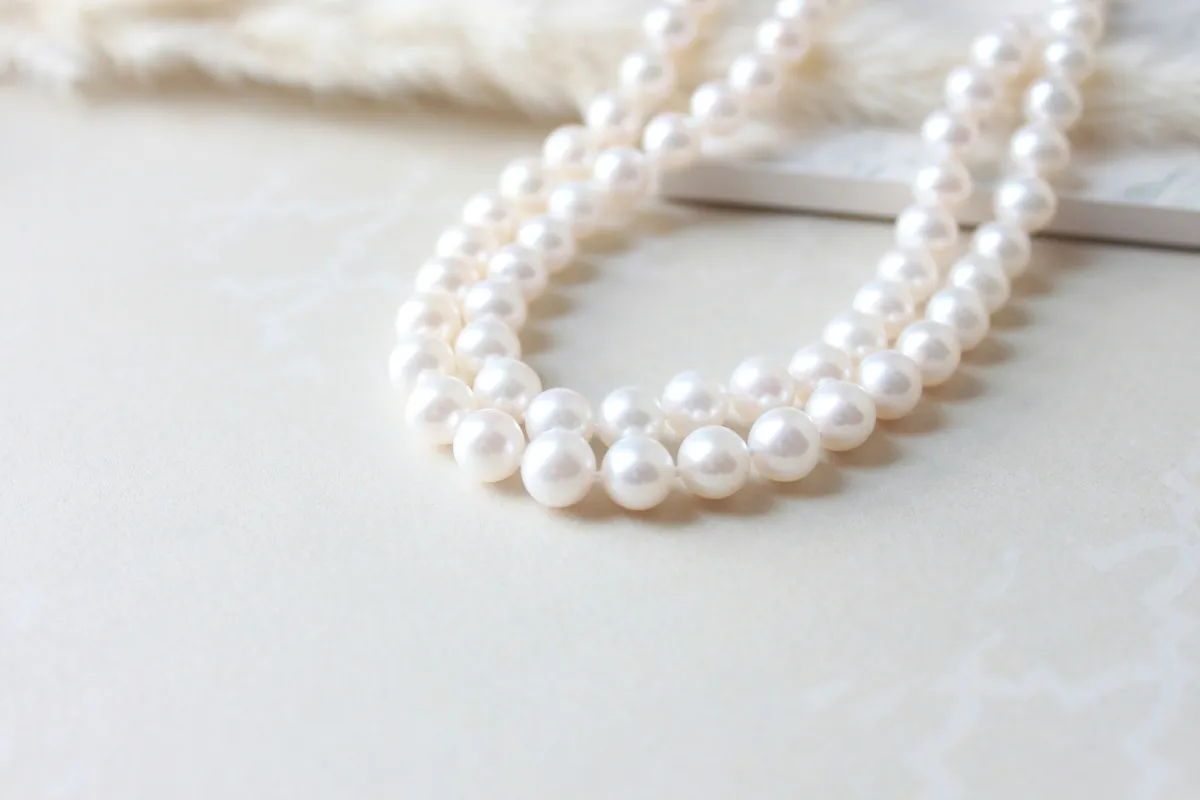
Pearl restringing is the kind of small, practical upkeep that keeps your strand from failing at an inconvenient time. I’m Zak Briggs, the founder of Quantum Qarat here in Phoenix, and I can’t tell you how many pearl necklaces have landed on my bench looking totally fine… until I touch the string and it feels like it’s one step away from giving up.
If you wear pearls often, you’ll eventually stretch and soil the thread. If you wear them rarely, time still does its thing. Either way, this post will help you figure out how often to restring pearls, what warning signs to watch for, and how to keep your pearls looking bright between visits.
What pearl restringing actually is (and why knotting matters)
Most traditional strands are strung on silk, with a knot between each pearl. That knotting is not just “the classic way” to do it. It keeps pearls from rubbing together, and it also limits loss if the strand ever breaks.
If you’re curious about the why behind the technique, Morton & Rudolph explains the purpose of knotting pearls in a way that matches what I see in real life: fewer scratches, less sliding, and a much smaller mess if a break happens.
Pearl restringing means I remove your pearls from the old cord, inspect them, then restring them on fresh material with evenly spaced knots and a secure finish at the clasp. It’s not glamorous work, but it’s the difference between “I can wear this confidently” and “I hope it holds.”
How often to do pearl restringing (a schedule you can actually follow)
When people ask me how often to do pearl restringing, I usually answer with a question: “How often do you wear them, and what do they get exposed to?” Oils from skin, leftover lotion, perfume, sweat, and even humidity can work their way into the string and knots. The strand can weaken long before it looks bad.
| How you wear your pearls | When to restring | What’s going on behind the scenes |
|---|---|---|
| Weekly or more | Every 1 to 2 years | More movement and exposure means the cord stretches and soaks up residue faster |
| Monthly, seasonal, or special events | Every 3 to 5 years | Less wear helps, but the thread still ages and knots can loosen over time |
| Heirloom strands, vintage pieces, unknown restring history | Inspect now, then decide | Older silk and older knotting can be unpredictable, especially near the clasp |
That 1 to 2 year window for frequent wear is in line with what other repair-focused shops recommend. Van Adams Jewelers shares a helpful overview of the restringing process, including why thread choice and knot consistency matter. My personal rule is simple: if you wear them a lot, be a little more conservative. Restringing is cheaper than replacing lost pearls.
Why pearl restringing matters even when your necklace “looks fine”
This is the part most people don’t expect. A pearl strand can look perfectly normal from three feet away, but the cord can be worn down where it passes through the drill holes. That wear is hidden until it’s not.
Here’s what pearl restringing protects you from:
- Pearl loss: If the cord snaps while you’re out, pearls scatter fast. Knots help, but you still don’t want to test your luck.
- Slow nacre wear: Dirt, grit, and frayed fiber near the drill holes can act like sandpaper over time.
- Clasp failure: The ends near the clasp take the most stress, and that’s where I usually see the first real breakdown.
I’ve also seen strands where the knots are stained from years of skincare and perfume buildup. Timeless Pearl talks about how pearl strands can weaken without obvious early warning, which matches what I see at the bench. The outside can look fine, while the inside is quietly getting tired.
Pearl restringing warning signs you should not ignore
If you don’t remember the last time your pearls were restrung, do this quick check at home in good light. Run your fingers along the strand gently. You’re not trying to tug hard, just feel what’s happening.
- Slack or stretching: The necklace sits lower than it used to, or it feels “loose” in your hands.
- Fuzzy or frayed thread: Especially right behind the clasp where the strand rubs your neck.
- Dark or yellowed knots: A sign the string has absorbed oils and residue.
- Gaps near the knots: If you can see daylight between a pearl and its knot, the tension has shifted.
- Wobbly clasp: The clasp should feel stable, not like it’s twisting around.
A simple “table test” helps too: lay the strand flat. If it won’t settle into a smooth curve, or the spacing looks uneven, something’s off. Sometimes it’s stretched cord. Sometimes it’s an older restring that was done with uneven tension. Either way, that’s your cue to get it looked at.
What you can expect when I do a pearl restringing in my studio
If you bring your strand to me at Quantum Qarat, I’m not just running beads onto a new thread. I’m paying attention to the details that make the strand wear well and last.
- Check-in and evaluation: I look at length, pearl size, knot condition, and the clasp connection points.
- Careful removal: I keep pearls in order, especially if the strand is graduated.
- Inspection and light cleaning: I check drill holes and surfaces for chips, cracks, and nacre wear.
- Restring and knot: Fresh cord, consistent knot size, and tension tuned so the necklace drapes naturally.
- Secure finishing at the clasp: Clean finishing that’s reinforced where it needs to be.
Most of the time, silk is still the go-to because it’s soft and it drapes nicely. There are cases where a different material makes more sense for durability, but it depends on the strand’s weight and how you actually wear it. No one needs a one-size-fits-all answer here.
If you want to see the range of repair work we do, you can browse our jewelry services page. I approach maintenance with the same care I put into custom pieces, because the goal is always the same: jewelry you can wear without babying it.
Pearl necklace maintenance between restringings (simple habits, big payoff)
Pearls are tough in their own way, but they are not “set it and forget it” jewelry. Think of them like a favorite leather bag. Treat them well and they age beautifully. Treat them rough and they show it.
- Put pearls on last: After perfume, hairspray, and lotion have dried.
- Wipe them down after wearing: A soft cloth removes skin oils and moisture before they soak in.
- Store them flat: Hanging strands can encourage stretching over long periods.
- Keep them away from harder jewelry: Pearls can scratch if they’re stored next to metal edges or gemstones.
- Skip the shower, pool, and hot tub: Chemicals and prolonged moisture speed up cord wear.
If you’re the kind of person who likes understanding how materials behave over time, I keep educational guides on our education hub. It’s a good resource when you’re figuring out how to care for different pieces in your rotation.
Pearl restringing is also a smart moment to upgrade the clasp or redesign
Restringing is the easiest time to make changes, because the strand is already coming apart. If you’ve been annoyed by a fiddly clasp, or you’ve wished the necklace sat differently on your neckline, this is the window to fix it without extra labor later.
Here are a few upgrades clients commonly do during pearl restringing:
- Swap to a more secure clasp that’s easier to use one-handed
- Add a safety chain for extra insurance (especially for travel or weddings)
- Adjust the length so the strand hits the right spot for your wardrobe
- Split one long strand into two if you want more ways to wear your pearls
- Upgrade the clasp design with diamonds or colored stones for a more personal look
If you’re thinking beyond maintenance and into a refresh, take a look at our custom jewelry process. A lot of heirloom pearl projects start with “I love these, but they don’t feel like me,” and we go from there. It’s fun work, and yes, it’s totally doable without turning the whole piece into something unrecognizable.
FAQ: pearl restringing and pearl necklace maintenance
How often should you do pearl restringing if you hardly wear your necklace?
Usually every 3 to 5 years is fine for occasional wear. If the strand is older or you don’t know its history, I’d have it inspected sooner. Thread can age even when it’s sitting in a jewelry box.
How do you know if a pearl strand is knotted correctly?
You should see a knot between each pearl, and the pearls should sit close to those knots without obvious gaps. The strand should drape smoothly, not kink, and it should feel consistent when you run it through your fingers.
Can you restring pearls yourself?
You can, especially if it’s a low-value practice strand. For anything valuable or sentimental, I recommend having it done professionally. The thread size, knot tension, and clasp finishing are where DIY jobs usually get a little wonky.
What’s the most common pearl necklace maintenance mistake?
Putting pearls on over fresh lotion or perfume, then storing them without wiping them down. That residue transfers straight into the knots and cord. It shortens the life of the restring, plain and simple.
Should you have pearls checked even if they were restrung “not that long ago”?
If you wear them weekly, yes. A quick inspection is smart, especially around the clasp ends. If you notice slack, knot discoloration, or the clasp feels loose, don’t wait. It’s better to catch it early, even if that means you feel a little silly bringing them in. I’ve seen worse.
Conclusion: treat pearl restringing like routine care
Pearl restringing is preventative maintenance, not a rescue mission. If you wear your pearls often, plan on restringing about every 1 to 2 years. If they’re more of a special-occasion piece, every 3 to 5 years is usually plenty. Either way, keep an eye out for slack, fraying, stained knots, gaps, and a clasp that doesn’t feel solid.
If you want me to take a look and give you a straightforward recommendation, start at QuantumQarat.com and reach out. We’ll keep it simple, no pressure. We’ll figure out whether you need a full restring right now, a clasp upgrade, or just a quick check so you can wear your pearls with confidence and not worry about them falling apart at the worst time.