
Jewelry Knowledge
Jewelry Appraised vs Resale Value: What Every Owner Should Know
Published: Jun 15, 2026
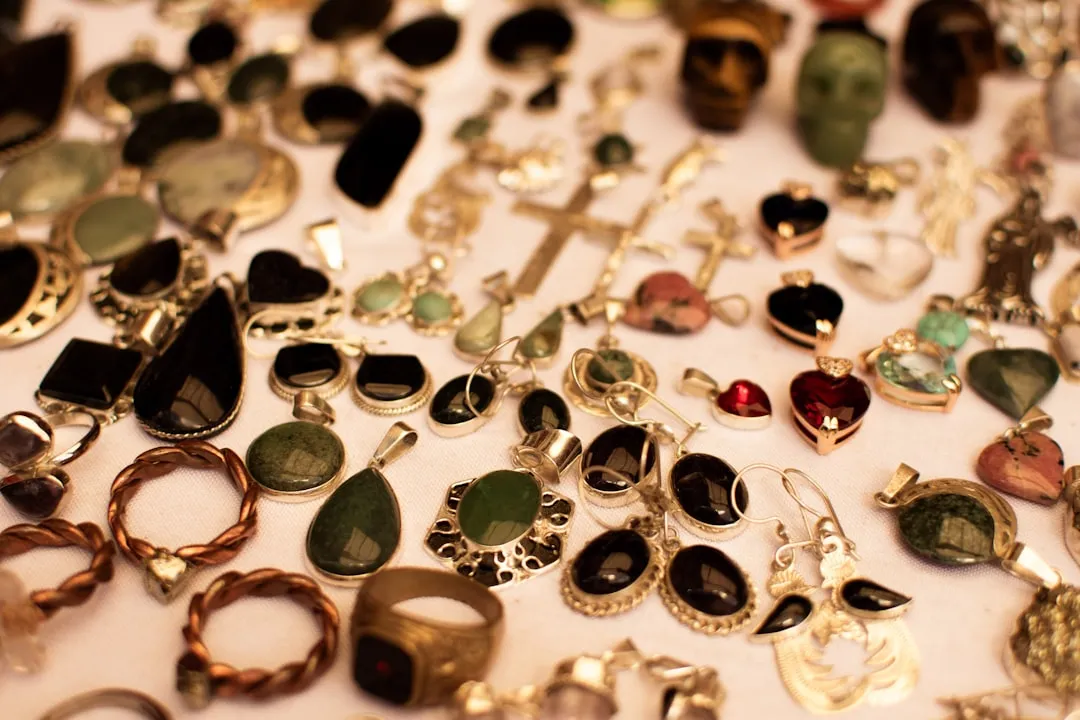
One of the most common conversations I have at Quantum Qarat in Phoenix involves a piece of paper and a look of confusion. A client arrives with a diamond or a cherished family ring, pulls out their insurance appraisal, and asks why the resale offer in front of them is so much lower. The gap between jewelry appraisal value and resale value surprises nearly everyone who encounters it for the first time, and the explanation is worth understanding before you make any decisions about buying, selling, or insuring your pieces.
The Tale of Two Values: Appraisal vs. Resale
An appraisal is primarily a protective document. It tells your insurance company what it would cost to replace your piece at a retail jeweler today, in equivalent condition, with comparable materials and craftsmanship. As Jewelers Mutual explains in their breakdown of the topic, replacement value is the standard framework insurers use, and it reflects retail pricing, not market demand.
Resale value is something else entirely. It reflects what a buyer will pay for your piece today, based on current market conditions, the appeal of the specific style, and the practical economics of re-entering the secondary market. These two figures answer different questions, and confusing one for the other leads to real disappointment at the point of sale.
Why Selling Always Fetches Less
Most sellers expect an offer close to their insurance appraisal. In practice, reputable buyers often offer half of that figure, or less. The reasons are structural rather than arbitrary:
- Retail markup is not transferable: Appraisals incorporate the full cost of retail acquisition, including store overhead, marketing, and display costs. Buyers are paying for the intrinsic value of the materials and craftsmanship, not the retail experience that surrounded them.
- Pre-owned status carries real weight: Even a meticulously maintained piece has been worn, and that reality is reflected in what buyers will offer.
- Style cycles move quickly: A design that commanded a premium a decade ago may require significant repositioning to find a willing buyer at today's prices.
- The wholesale market sets the ceiling: Individual sellers compete indirectly with dealers who acquire inventory in volume and at deep discounts, compressing what the secondary market will bear.
- Appraisals are sometimes set high by design: Insurance appraisals occasionally run above true replacement cost to give insurers a margin of security, which further distances the figure from resale reality.
What Actually Affects Your Jewelry's Value
Several factors shape where a piece falls on the appraisal-to-resale spectrum:
- Original acquisition price: The retail price you paid includes branding, supplier relationships, packaging, and service. None of that transfers to a secondary buyer.
- Condition and repair history: Surface scratches, replaced stones, or worn prongs can reduce offers meaningfully. Buyers factor in what they will need to spend to bring a piece to sellable condition.
- Designer provenance: A signed piece from a name like Tiffany or Cartier carries recognition that supports stronger resale numbers.
- Current demand: Metal prices fluctuate, stone preferences shift, and what the market wants today is the only demand signal that matters in a resale transaction.
As a practical illustration: a ring purchased for five thousand dollars at retail can realistically yield fifteen hundred or less from a reputable buyer. According to the Gemological Institute of America, professional grading documentation helps establish a stone's objective characteristics, which gives both buyers and sellers a shared foundation for negotiating value rather than working from assumptions.
Diamonds: A Particularly Challenging Resale Category
Diamonds carry enormous emotional weight, and the marketing behind them has long positioned them as enduring investments. The resale market tells a more complex story. Unless a stone carries exceptional certification, a rare combination of cut, clarity, and color, or a genuinely notable size, it will typically enter the wholesale pricing environment rather than command a premium.
Even minor imperfections, a small chip or a visible inclusion, can shift the offer substantially. If you are considering selling a diamond or exploring what your stone is genuinely worth, our fine jewelry specialists can walk you through the evaluation process and help you understand all available options, including whether redesigning the piece might serve you better than selling it outright.
When Jewelry Retains or Grows in Value
Certain categories of jewelry consistently outperform the general pattern:
- Signed pieces from recognized designers: Jewelry from established houses with documented provenance attracts collectors who are willing to pay accordingly.
- Antique and estate pieces: Authentic vintage jewelry, particularly with traceable history, can appreciate meaningfully over time.
- Exceptional gemstones: High-carat colored stones, especially those with independent certification, represent a different category of value altogether.
These represent a genuine minority of what most people own. For the broader market, jewelry is best understood as something acquired for its beauty and meaning rather than as a financial instrument. If you are considering what to do with a piece you no longer wear, our services team can assess whether restoration or redesign might be the stronger path forward.
Setting Realistic Expectations Before You Sell
If selling is the direction you are heading, a few principles tend to produce better outcomes:
- Use your insurance appraisal as a baseline for coverage, not as a guide to what you will receive in a sale.
- Commission a current, independent appraisal from a credentialed professional before entering any negotiation. Values shift, and an outdated figure may not reflect where the market actually sits.
- Collect multiple offers. The range of offers you receive from different buyers tells you more than any single number.
- Consider whether a custom redesign might extract more personal value from the piece than a sale would. Reimagining an heirloom stone into a contemporary setting is often more satisfying and more financially sound than selling into a wholesale market.
- Keep original boxes, receipts, and documentation. These materials support stronger offers and, in the case of designer pieces, can be the difference between a collector price and a commodity price.
- Refer to our jewelry care guide for guidance on presenting pieces in their best possible condition before any evaluation.
Frequently Asked Questions
Will I ever receive my appraisal value in a resale?
Rarely, and only in exceptional circumstances involving signed designer pieces or highly desirable stones with premium certification. Appraisals are calibrated for insurance replacement, not resale transactions.
How often should I update my appraisal?
Every two to three years is a reasonable standard, or sooner if you have had significant work done on a piece. Metal prices, stone valuations, and market conditions shift enough over that period to make an older figure unreliable for coverage purposes.
What is the most effective way to approach a sale?
Begin with a current professional appraisal. Gather offers from at least two or three buyers. Work with someone who can explain their methodology and provide documentation for the offer they make.
Can improvements to a piece increase what I receive?
In some cases, yes. Cleaning and minor repairs can improve a buyer's perception of the piece. For more significant transformations, redesigning an older setting into something current can shift a piece from a resale candidate into something you actually want to keep wearing.
Understanding Value Is the First Step
The gap between jewelry appraisal value and resale value is not a mystery once you understand what each figure is actually measuring. At Quantum Qarat, we believe an informed client makes better decisions, whether that means selling, redesigning, or simply keeping a piece with a clearer sense of what it represents.
If you have questions about a piece you own, or you want an honest conversation about your options, book a private appointment with our team. We will give you a straightforward assessment and help you find the path that makes the most sense for you.
One piece, three honest numbers
Insurance replacement value, fair market value and resale value are all legitimate figures for the same item, and they can differ substantially. Which one you need depends entirely on why you need it — insuring, dividing an estate, or selling. If anyone quotes you a single number without first asking what it is for, ask more questions.
We arrange appraisals through independent certified appraisers, which is deliberate: a valuation carries more weight when the person writing it has no stake in the transaction. If you are insuring something you wear daily, pair it with cleaning and inspection — the appraisal protects you if you lose it, the inspection is what stops you losing it.
One piece, three honest numbers
Insurance replacement value, fair market value and resale value are all legitimate figures for the same item, and they can differ substantially. Which one you need depends entirely on why you need it — insuring, dividing an estate, or selling. If anyone quotes you a single number without first asking what it is for, ask more questions.
We arrange appraisals through independent certified appraisers, which is deliberate: a valuation carries more weight when the person writing it has no stake in the transaction. If you are insuring something you wear daily, pair it with cleaning and inspection — the appraisal protects you if you lose it, the inspection is what stops you losing it.