
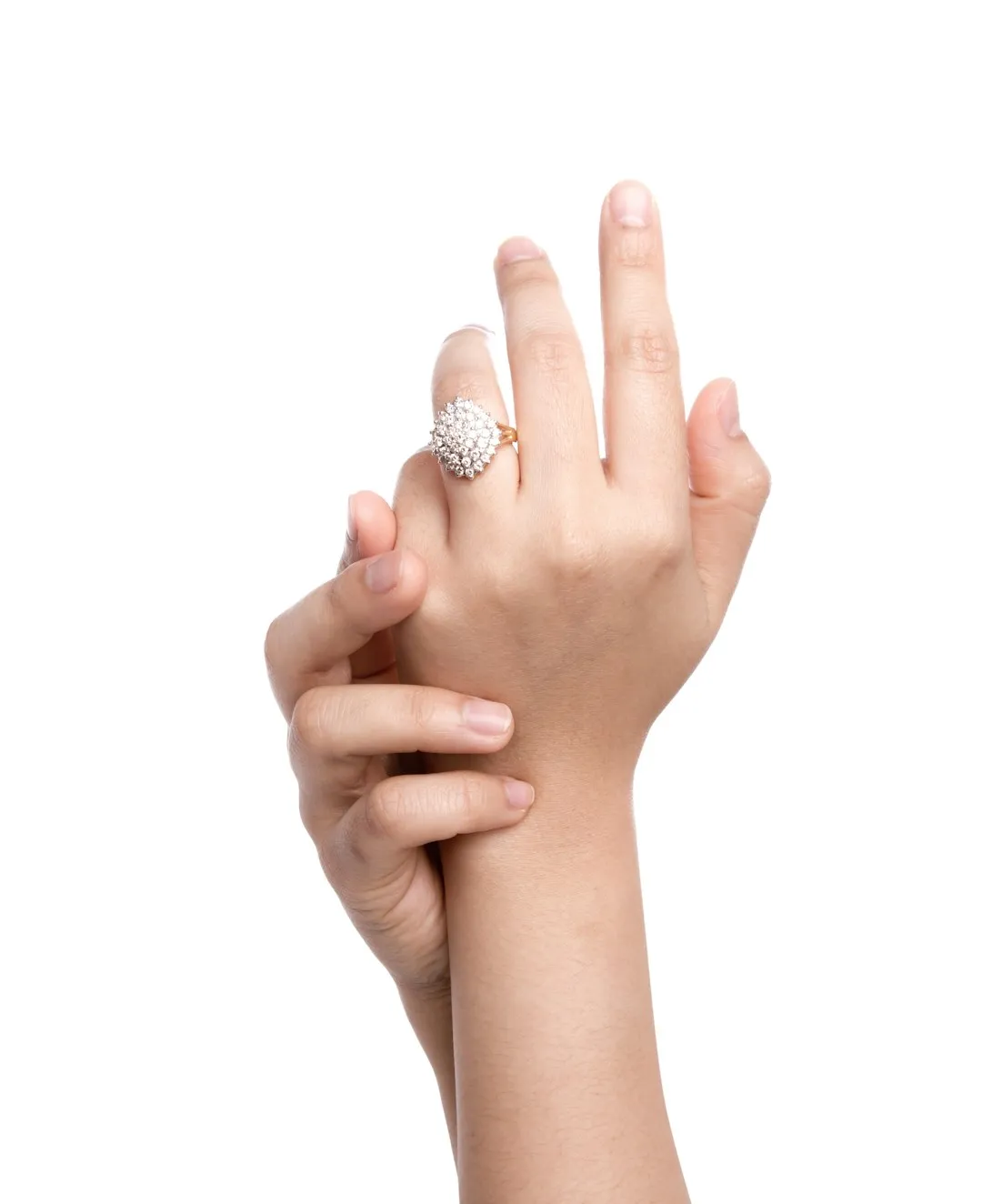
Every couple I’ve had the pleasure to help seems to bring a touch of their own culture, family, or imagination into their engagement choice. I’ve made it my mission to dive into the fascinating tapestry of global engagement ring traditions. Whether you’re prepping for a big proposal or you just appreciate the magical world of jewelry, come along with me as we explore how different corners of the world celebrate commitment.
What Makes Engagement Ring Traditions So Different?
At first glance, a glistening diamond slipped onto the left hand’s fourth finger might seem like the universal ritual. That practice, rooted in Western belief about the so-called "vena amoris" - the mythic “vein of love” - hardly scratches the surface of how cultures express devotion. From when and how rings are exchanged, to the materials and symbols selected, every custom offers a fresh chapter in humanity’s love story. For some, the exchange is purely practical; for others, it’s laden with ancient beliefs and handed-down stories. Personally, I think these differences are what make my job so endlessly interesting.
Symbolism Beyond Finger Rings - From Silver Toes to Colorful Beads
Take India, for example. Engaged women there often don silver toe rings known as "bichiya". Though diamond bands have become more common, especially in big cities, the toe ring’s historic symbolism remains strong. In fact, I picked up some incredible insights about how Indian couples combine old and new on IceCarats Magazine.
Meanwhile, over in Kenya, jewelry comes alive through vibrant beadwork that’s bursting with color and history. Engagement jewelry here isn’t always a ring - it could be a beautiful string of beads, woven to honor heritage and commitment. Leibish’s blog shares wonderful stories about how these beads intertwine two people’s lives. These details always remind me that a ring is just one way to say “I love you for keeps.”
The Unique Timing of Ring Exchanges
Customs around when rings are exchanged can flip expectations upside down. In Argentina, for instance, couples exchange rings during the engagement - not at the wedding. That makes the proposal itself the big, momentous ritual. I actually find that approach rather practical - it streamlines the whole process and lets couples truly savor their promise, as outlined by MyGemma.
On the other hand, Russian couples skip engagement rings altogether. Instead, they buy matching wedding bands together and wait until the actual ceremony to exchange them. According to JewelryThis, it’s an act that symbolizes unity and the start of a shared future - no extra ring required.
Materials That Speak Volumes: Gold, Gemstones, and More
Material preferences give another twist to the tale. In France, colored gemstones like rubies or sapphires are all the rage over diamonds. Sometimes, brides give their future husbands elegant watches in return - a tradition packed with meaning and style, as described on Who What Wear. Middle Eastern customs lean on symbolism, with gold for brides (a sign of purity) and iron bands for grooms - talk about strong tradition!
German couples start with the ring on the left hand for engagement, but slide it over to the right once married. It’s a little gesture that represents a very big shift, as the folks at Baunat explain.
Nordic Simplicity - Celebrating Equality
Up in Scandinavia, less is defenitely more. In Sweden, Norway, and Denmark, both partners sport plain gold or silver bands. This no-fuss, gender-equal tradition says a lot about the values of partnership in these cultures. It’s elegant, understated, and refreshingly modern. More on this can be found at Baunat.
Asian Fusion: Tradition with a Modern Spin
Asia is a wonderland of blending old-world elegance and contemporary trends. In South Korea, engagement rings are usually worn on the left hand, but proposals often skip the big, formal gestures. It’s a sign that customs are adapting right along with the ways people fall in love (Source). China throws another curve - urban couples often go for classic diamond rings, while in rural areas, the timeless jade bracelet is given pride of place. Both options show how flexible, and personal, the journey to forever can be.
The Real Meaning Behind Engagement Customs
After years at the jewelry bench, I’m convinced that the way each culture honors engagement reveals what it values most - equality, family, history, or personal flair. Whether it’s a diamond, a silver toe ring, a colorful bead necklace, or a slice of jade, the true sparkle comes from the story behind it. Bringing these stories to life is the best part of working at Quantum Qarat. If you want your own ring to be as one-of-a-kind as your story - or to honor crossed borders or family roots - my custom design service can turn that spark into something real. You’ll also find plenty of inspiration in our engagement and wedding collection.
FAQ: Top Questions About Engagement Ring Traditions
- What is the classic engagement ring tradition in the West?
Think sparkling diamond, fourth finger, left hand - that’s still the icon for most Western couples. - How is engagement jewelry in India unique?
Silver toe rings (bichiya) hold deep meaning, though finger rings are gaining popularity - sometimes brides combine both. - Do any cultures have both partners wear engagement rings?
Absolutely! Countries like Sweden and Norway see both partners wearing simple bands, echoing mutual partnership. - Are rings the only engagement tokens exchanged?
Nope. Beaded necklaces, watches, and even jade bangles make appearances in cultures across Kenya, France, and China. - Can I create a ring merging two cultural backgrounds?
You bet. At Quantum Qarat, that’s one of my favorite challenges - let’s create something meaningful together: check out our custom jewelry page.
Wrapping It Up: Celebrate Love Your Way
What I cherish most about global engagement ring traditions is the reminder that love isn’t one-size-fits-all. It’s personal, sometimes quirky, often beautiful, and always real. Whether you’re inspired by beaded artistry, sapphire elegance, or the tradition of your great-grandparents, your story is what truly shines. Ready to dream up a ring as unique as your relationship? Visit our education hub for more about diamond quality and jewelry culture - or contact me directly for advice, stories, or a little inspiration. Here’s to making your own mark in the world’s vibrant love story - one ring (or toe ring!) at a time.