
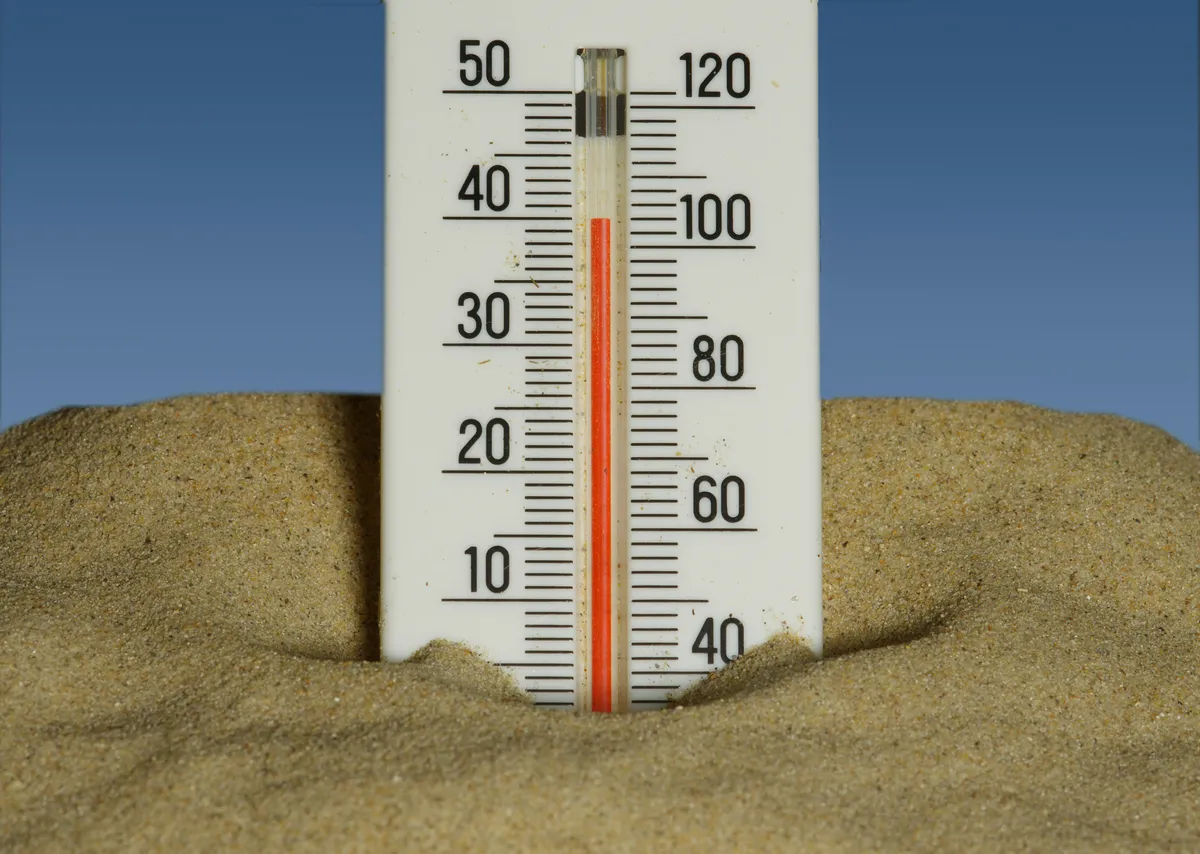
Arizona heat jewelry care starts the second you step outside in July, because a “quick errand” in Phoenix can turn your ring into a tiny piece of metal sitting in a 110°F blast. I’m Zak, the founder at Quantum Qarat, and if you wear your ring like most of my clients do, meaning daily, through workouts, errands, travel, dishes, pool days, all of it, then your jewelry is basically living the desert lifestyle right along with you. The good news is you don’t need a complicated routine. You just need a few smart habits and a couple of check-ins a year.
If you’re shopping for something that can handle real life here, take a look at the way I think about durable, modern builds on our Engagement & Wedding page. And if you already have a ring you love, this guide will help you keep it snug, secure, and sparkling through the long summer stretch.
Arizona heat jewelry care: what the desert actually does to your ring
Let’s keep it simple. The sun isn’t out there trying to ruin your jewelry. What gets people is the slow grind: repeated heat, repeated cooling, and the way that cycle nudges metal and settings over time. You go from a baking parking lot to icy A/C. Then back out. Then into a hot car. Then back inside again. Do that for months, year after year, and tiny changes start adding up.
The other curveball is our dryness. Skin dries out, lotions go on heavier, and jewelry sees a constant mix of dust, sunscreen, and hand sanitizer. None of this is dramatic in the moment. It’s more like tire wear. You don’t notice it until you do.
Arizona heat jewelry care for gold settings and prongs (where most problems start)
Gold is tough, but it’s still metal. It expands when it heats up and tightens back down when it cools. Over time, that movement can contribute to prongs relaxing or tiny gaps opening where you really want things tight. Jewelers Mutual has a solid breakdown of hot-weather risks and practical prevention in their guide 5 cool tips for keeping jewelry safe in the heat, and it matches what I see at my bench all summer.
Here’s what’s sneaky about prong issues: your ring can look totally fine. No obvious damage. Then you catch it on a pocket, or you tap a countertop, and suddenly the stone isn’t sitting as confidently as it was. That’s why I’d rather check your ring early than rebuild a setting later.
- If you wear your ring daily: plan on inspections every 6 to 12 months.
- If you swim, lift, hike, or work outdoors: lean closer to every 6 months.
- If you notice snagging: don’t wait. That’s often your first hint a prong is lifting.
Heat effect on diamond rings: your diamond is fine, but the setting might not be
People ask me all the time if Arizona heat can “damage” a diamond. In normal wear, diamonds handle heat really well. The more common heat effect on diamond rings is what heat does to the metal holding the diamond. A diamond can be nearly indestructible in one sense, but it still depends on a few small pieces of metal doing their job.
The other thing to watch is sudden temperature swings. Going from desert heat into very cold water or blasting A/C can add stress, especially if a stone already has inclusions or internal features. Jeffrey White discusses this kind of desert-climate consideration in their jewelry care guidance Desert Climate Jewelry Care. Most of the time you’ll be fine, but it’s an easy risk to avoid when you can.
| Arizona situation | What can happen | What I’d do |
|---|---|---|
| Daily heat-to-A/C cycles | Metal slowly shifts, prongs can loosen | Schedule routine inspections, especially for pavé |
| Leaving jewelry on a hot surface | Metal can heat up fast; settings can get stressed | Keep rings off countertops, pool decks, and car consoles |
| Extreme hot-to-cold change | Rare thermal shock risk for certain stones | Cool down gradually before cold water or ice-cold temps |
Arizona heat jewelry care and ring fit: swelling, shrinking, and the “oops” moment
This one is less about the ring and more about you. In summer, your fingers can swell during the day and slim down later. That means your ring might feel tight at noon and weirdly loose at night.
My rule at home is simple: if it’s tight, don’t force it. If it’s loose, treat it like a real safety issue, not a future chore. Rings slip off most often when you’re distracted, like carrying groceries, toweling off after the gym, or tossing stuff into a trunk.
If you’re on the edge with sizing, our Services page walks you through resizing, inspections, and repairs. And if the worst happens and a stone ever pops out, bookmark this now so you’re not googling in a panic later: Help! A diamond fell out of my ring. What do I do now?
Desert climate jewelry tips for gemstones: which ones don’t love sun and dryness
Not all gemstones behave the same way in heat and UV. Some are champs. Others are a little more high-maintenance, especially if they’re porous, treated, or naturally prone to drying out. In Arizona, I worry less about a single hot afternoon and more about repeated sun exposure on stones that can fade or crack over time.
Lila Clare points out that heat and harsh elements can contribute to cracking or color changes in more sensitive stones in their summer care notes Summer jewelry care tips. That’s not meant to scare you off color. I love colored stones. I just like matching the gem to how you actually live.
- Usually heat-tolerant: diamond, sapphire, ruby
- Use extra caution: emerald, opal, turquoise, pearls, amethyst
- Common desert issue: UV fading and dryness-related cracking in certain stones
If you’ve got a colorful ring you wear nonstop, I’ll often suggest a protective setting style or a slightly different stone choice that still gives you the look without the worry. That’s the kind of detail I build into custom work from the start.
Arizona heat jewelry care habits that save you money (and headaches)
Most summer jewelry damage is predictable. It’s the pool. It’s the gym. It’s leaving your ring in a cupholder that could fry an egg. It’s sunscreen mixing with dust and turning into gritty paste under a stone.
- Don’t leave jewelry in the car. Not the console, not the glove box, not “just for a minute.” It gets wild in there.
- Take rings off for impact activities. Lifting, yard work, hiking, DIY projects. Heat plus impact is a rough combo.
- Do a weekly 10-second check. Look for snagging, a change in how the stone sits, or tiny rattles when you tap the ring near your ear.
- Keep chemicals off when you can. Chlorine, sanitizer, and heavy sunscreen residue can dull finishes and bother certain stones.
- Store it like you mean it. Cool, dry, indoors, ideally in a soft pouch or box. Bathroom windowsills are not your friend.
Also, gold choice matters more than people think. If you’ve ever wondered why I might steer one person to 14k and another to 18k, I lay it out plainly in 10k vs 14k vs 18k Gold: The Ultimate Gold Purity Guide.
Arizona heat jewelry care checkups: what I look for at the bench
When you bring a ring in, I’m not just admiring it. I’m checking the stuff that fails quietly. Prongs that are thinning. Pavé stones that are starting to loosen. A band that’s worn a little more on the palm side. Settings that have shifted just a hair. If something feels “off” to you, even if you can’t describe it, that’s usually enough reason to take a look.
For most engagement rings worn daily, I recommend a professional inspection every 6 to 12 months. If you’re hard on your hands or you’re in and out of pools a lot, do it twice a year. It’s basic maintenence, and it beats a surprise repair bill later. Yes, I spelled that like my high school teacher would hate. Still true though.
FAQ: Arizona heat jewelry care
Can Arizona heat damage a diamond?
In everyday wear, the diamond itself is typically fine. The bigger risk is the setting loosening over time from repeated expansion and contraction, plus the small chance of thermal shock if you go from extreme heat to extreme cold quickly.
What’s the biggest heat effect on diamond rings in summer?
A gradual loosening of prongs or pavé beads. Heat rarely harms the diamond, but it can compromise the metal holding it, and that’s how stones get lost.
Should I take my ring off when I’m outside?
If you’re mixing heat with impact, abrasion, or chemicals, yes. Think workouts, yard work, hiking, pool days, cleaning, or handling tools.
Which gemstones are most vulnerable in a desert climate?
Opal, emerald, turquoise, pearls, and amethyst usually need extra caution. Dry heat and UV exposure can contribute to fading or cracking, depending on the stone and any treatments.
How do I know if my ring is getting loose because my fingers change size in the heat?
If it spins constantly, slides over your knuckle too easily, or feels noticeably looser in the evening, that’s your cue. A resize, a ring guard, or a small design adjustment can make it safer year-round.
Conclusion: keep the ring you wear most ready for Arizona
Arizona summers don’t require you to baby your jewelry, but they do reward a little attention. Focus on the basics of Arizona heat jewelry care: avoid extreme exposure, respect fit changes, and get the setting checked before it has a chance to fail.
If you want me to look at your ring, clean it up, or help you design something built for desert life from day one, you can start here: Quantum Qarat. I’ll tell you straight what looks solid, what needs work, and what I’d change if it were on my own hand.