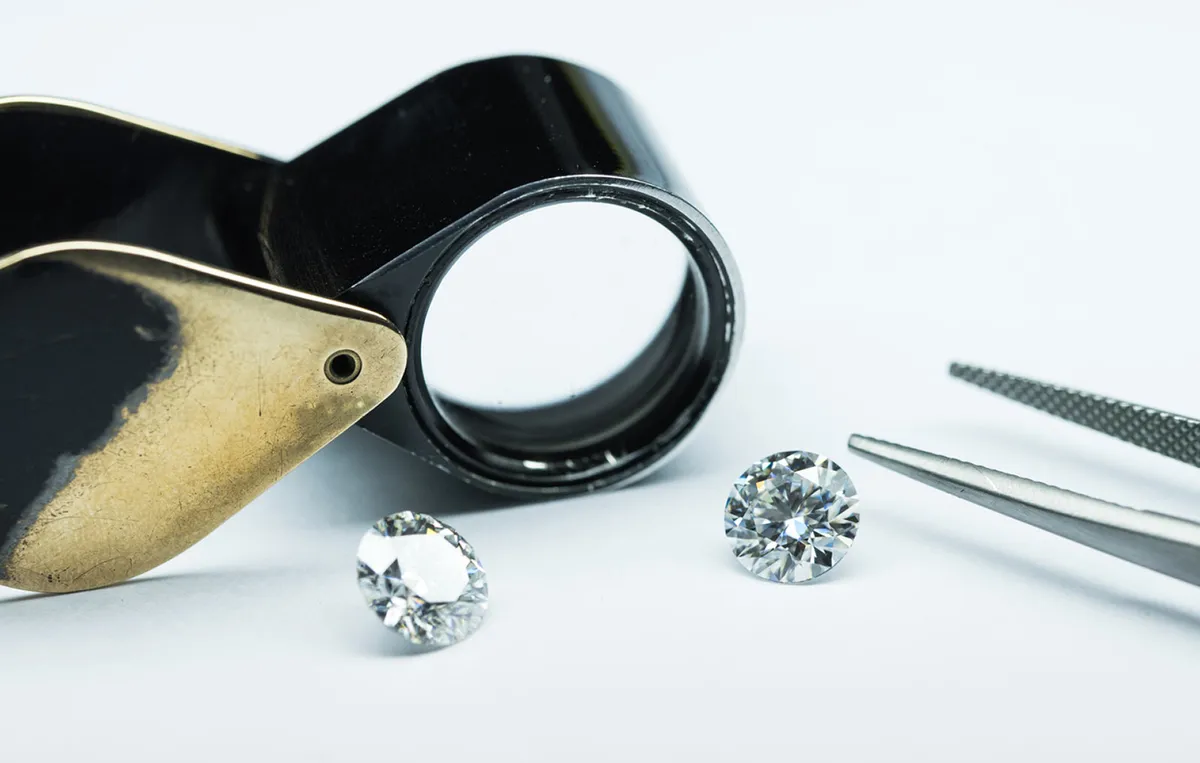
So, how much does a 1 carat cubic zirconia cost? In most cases, the loose stone itself is inexpensive, often costing only a small fraction of a natural or lab-grown diamond. The final price of the jewelry piece depends more on the metal, craftsmanship, setting style, and overall design than the CZ stone alone.
At Quantum Qarat, we help clients understand gemstone options honestly. Whether you are comparing cubic zirconia, moissanite, lab-grown diamonds, or natural diamonds, the best choice depends on your style, budget, lifestyle, and long-term expectations.
What Is Cubic Zirconia?
Cubic zirconia is a man-made gemstone created from zirconium dioxide. It is designed to imitate the look of a diamond, but it is not the same material as a natural or lab-grown diamond.
According to the Gemological Institute of America, synthetic cubic zirconia has become one of the most widely used diamond imitations. GIA explains that CZ is made by heating powdered zirconium oxide until it melts, then allowing crystals to form as the material cools.
Because cubic zirconia is produced in controlled environments, it can be made with consistent color, clarity, and size. This is one reason CZ is so accessible and budget-friendly compared with diamonds.
If you are comparing gemstone options, read our related guide: Moissanite vs. Diamond vs. Cubic Zirconia.
How Much Is a 1 Carat Cubic Zirconia?
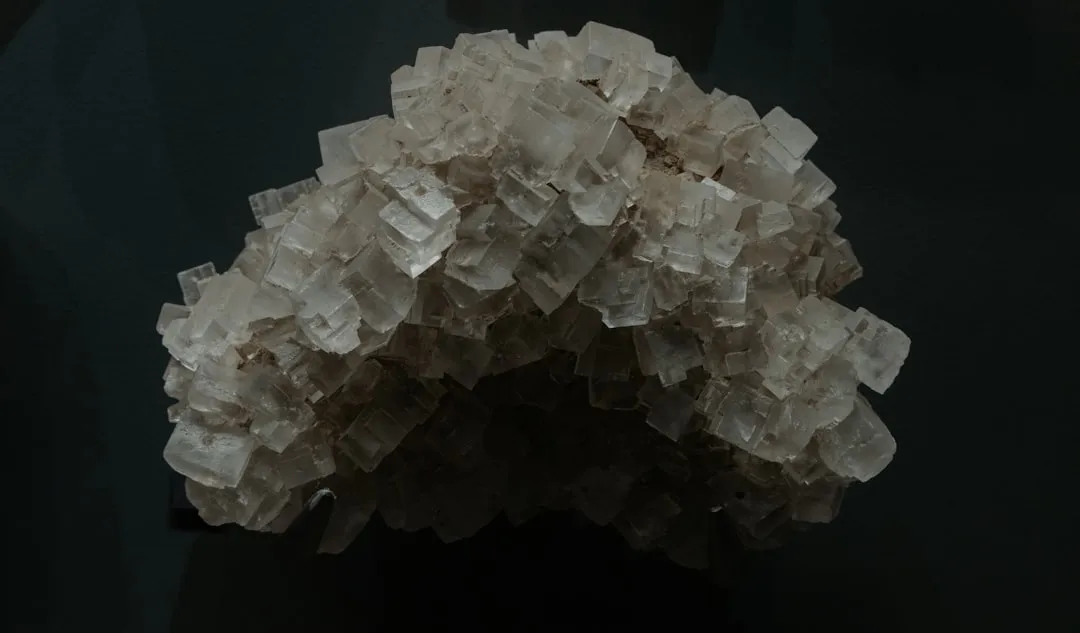
A 1 carat cubic zirconia stone is usually very affordable. Depending on cut quality, color, clarity, and where it is purchased, a loose 1 carat CZ may cost only a few dollars to around $30.
However, that does not mean every 1 carat cubic zirconia ring costs $30. The stone may be inexpensive, but the finished ring can cost much more depending on the setting. A CZ set in sterling silver will usually be far less expensive than a CZ set in 14K gold, 18K gold, platinum, or a custom-designed mounting.
For example, a simple 1 carat CZ ring in a basic silver setting may be budget-friendly, while a custom 14K gold CZ ring with side stones, engraving, or hand-finished details may cost significantly more because of the metal and labor involved.
What Affects the Price of a 1 Carat Cubic Zirconia?
Although cubic zirconia is inexpensive compared with diamonds, not every CZ stone or CZ jewelry piece is priced the same. These factors can influence the final cost.
1. Cut Quality
Cut has a major impact on how a cubic zirconia looks. A well-cut CZ reflects light more evenly and can appear brighter, cleaner, and more diamond-like. Poorly cut CZ may look flat, glassy, or overly artificial.
Popular CZ cuts include round brilliant, princess, cushion, oval, emerald, pear, and marquise. Round brilliant cuts are especially common because they maximize sparkle.
2. Size and Carat Equivalent
Cubic zirconia is often sold by carat size or diamond-equivalent size. Because CZ is denser than diamond, a 1 carat CZ may not have the exact same physical dimensions as a 1 carat diamond. For jewelry shopping, many sellers use “diamond equivalent weight” to help customers understand the visual size.
3. Color and Clarity
Most white cubic zirconia stones are made to look colorless and nearly flawless. This can make CZ appear extremely clean compared with many natural diamonds. Colored CZ is also available in shades such as pink, blue, green, yellow, and red, making it a flexible choice for fashion jewelry.
4. Setting Metal
The setting usually affects the price more than the CZ itself. A 1 carat cubic zirconia set in sterling silver will be far less expensive than the same stone set in 14K gold or platinum.
If you are choosing CZ for a custom design, the cost will depend on the gold or platinum weight, labor, stone setting, finishing, and any additional gemstones.
5. Craftsmanship and Custom Design
Mass-produced CZ jewelry is usually inexpensive. Custom CZ jewelry costs more because it involves design work, careful stone setting, polishing, and quality control.
At Quantum Qarat, a custom piece is built around your style and lifestyle. If you are interested in creating a ring, necklace, or travel-friendly engagement ring alternative, explore our custom jewelry design services.
Cubic Zirconia vs. Diamond: Key Differences
Cubic zirconia and diamond may look similar from a distance, but they are very different materials. Diamond is carbon. Cubic zirconia is zirconium dioxide. That difference affects price, durability, brilliance, rarity, and long-term value.
| Factor |
Diamond |
Cubic Zirconia |
| Material |
Carbon |
Zirconium dioxide |
| Origin |
Natural or lab-grown |
Man-made diamond simulant |
| Typical 1 Carat Stone Cost |
Varies widely based on the 4Cs |
Often a few dollars to around $30 for the loose stone |
| Hardness |
10 on the Mohs scale |
About 8.5 on the Mohs scale |
| Appearance |
Natural brilliance and fire |
Bright sparkle, often with more rainbow-like flashes |
| Long-Term Value |
Can retain value depending on quality and market demand |
Generally has little resale value |
| Best For |
Engagement rings, heirlooms, fine jewelry, long-term wear |
Fashion jewelry, travel rings, temporary rings, budget-friendly sparkle |
Diamonds are graded using the 4Cs: cut, color, clarity, and carat weight. The GIA diamond quality factors are a helpful resource for understanding why diamond prices vary so much. Cubic zirconia is not graded the same way, although cut, clarity, color consistency, and craftsmanship still affect its appearance.
Is Cubic Zirconia Durable?
Cubic zirconia is durable enough for many jewelry styles, but it is not as hard or long-lasting as diamond. GIA lists CZ at 8.5 on the Mohs hardness scale, while diamond ranks 10. That means cubic zirconia can scratch or dull over time, especially with daily wear.
This does not make CZ a bad choice. It simply means you should understand how you plan to wear it. For occasional wear, fashion rings, earrings, pendants, cocktail rings, or travel jewelry, CZ can be a smart and stylish option. For a ring you plan to wear every day for decades, you may want to compare CZ with moissanite, sapphire, lab-grown diamond, or natural diamond.
For more comparison guidance, read: What Does “Lab Grown” Actually Mean?
Is Cubic Zirconia Good for Engagement Rings?
Cubic zirconia can be used in engagement rings, but it is best for shoppers who understand its strengths and limits. CZ offers impressive sparkle at a low price, making it attractive for temporary rings, proposal rings, travel rings, or couples who want an affordable option now and plan to upgrade later.
For long-term daily wear, CZ may not be the strongest choice because it can scratch, cloud, or lose brilliance over time. A protective setting, such as a bezel or low-profile design, may help reduce damage, but the stone will still need care.
If you want a ring designed for everyday wear and long-term meaning, consider comparing cubic zirconia with moissanite, lab-grown diamonds, natural diamonds, sapphires, or other durable gemstones.
Browse Quantum Qarat’s engagement ring collection for inspiration, or start a custom design if you want something more personal.
When Cubic Zirconia Makes the Most Sense
Cubic zirconia is a practical choice when you want beauty and sparkle without a major financial commitment. It is especially useful for:
- Travel jewelry: Wear a sparkling ring while keeping higher-value jewelry safely stored.
- Fashion jewelry: Experiment with bold styles, oversized stones, or trend-driven designs.
- Temporary engagement rings: Propose with a beautiful placeholder while choosing the final ring together.
- Photo shoots and events: Get a high-impact look for a wedding, editorial shoot, or special occasion.
- Budget-conscious custom jewelry: Create a statement design while investing more of the budget in the setting and craftsmanship.
How to Care for Cubic Zirconia Jewelry
Cubic zirconia can stay beautiful with the right care. Because it can scratch and collect oils, it should be cleaned and stored thoughtfully.
- Clean CZ jewelry with warm water, mild soap, and a soft brush.
- Avoid harsh chemicals, chlorine, and abrasive cleaners.
- Remove CZ rings before heavy workouts, gardening, cleaning, or swimming.
- Store pieces separately so harder stones, such as diamonds, do not scratch them.
- Have prongs and settings checked if the piece is worn often.
Good care will help your cubic zirconia maintain its sparkle for longer, especially in rings that see frequent wear.
Cubic Zirconia and Honest Jewelry Marketing
When shopping for CZ, make sure the jewelry is described clearly. Cubic zirconia should not be marketed as a diamond. It should be identified as cubic zirconia, CZ, or a diamond simulant.
The FTC jewelry advertising guidance emphasizes that jewelry descriptions should be truthful and not misleading, especially when referring to diamonds, gemstones, imitation materials, and precious metals.
That transparency protects shoppers. CZ can be a great choice, but buyers deserve to know exactly what they are purchasing.
FAQ: 1 Carat Cubic Zirconia Cost and Value
How much does a 1 carat cubic zirconia cost?
A loose 1 carat cubic zirconia often costs only a few dollars to around $30, depending on cut quality, color, and seller. The finished jewelry piece may cost much more depending on the setting metal and craftsmanship.
Does cubic zirconia look like a diamond?
Yes, cubic zirconia can look similar to a diamond, especially when clean and well-cut. However, CZ often has a slightly different sparkle, sometimes showing more rainbow-like flashes than diamond.
Is cubic zirconia a real diamond?
No. Cubic zirconia is not a natural diamond or a lab-grown diamond. It is a man-made diamond simulant made from zirconium dioxide.
Is cubic zirconia durable enough for daily wear?
Cubic zirconia can be worn daily, but it is more likely to scratch or dull over time than diamond. For occasional wear, travel jewelry, or fashion jewelry, it can be a strong budget-friendly choice.
Can cubic zirconia be set in gold or platinum?
Yes. Cubic zirconia can be set in sterling silver, 14K gold, 18K gold, platinum, and other jewelry metals. The metal and craftsmanship usually have a larger impact on the final jewelry price than the CZ stone itself.
Is cubic zirconia good for engagement rings?
Cubic zirconia can work for engagement rings, especially as a temporary, travel-friendly, or budget-conscious option. For long-term daily wear, many shoppers also compare moissanite, lab-grown diamonds, natural diamonds, sapphires, and other durable stones.
Does cubic zirconia have resale value?
Cubic zirconia typically has little resale value as a loose stone because it is inexpensive and widely available. If the piece is set in gold or platinum, the metal and craftsmanship may contribute more to its value than the CZ itself.
Conclusion: Cubic Zirconia Offers Affordable Sparkle
A 1 carat cubic zirconia is one of the most affordable ways to get a bright, diamond-like look. The stone itself may cost only a few dollars to around $30, while the finished ring price depends on the metal, setting, design, and craftsmanship.
CZ is not a diamond, and it should not be purchased with the same expectations for durability, rarity, or long-term value. But for fashion jewelry, travel rings, temporary engagement rings, and custom designs on a budget, cubic zirconia can be a smart and stylish choice.
At Quantum Qarat, we help clients compare gemstone options clearly so they can choose what fits their budget, lifestyle, and story. Whether you are considering cubic zirconia, moissanite, lab-grown diamonds, or natural diamonds, the right stone is the one that aligns with how you want to wear it.
Ready to create something personal? Visit our Custom Jewelry Design page or explore our guide to choosing the right gemstone.
Start your custom jewelry project today.