
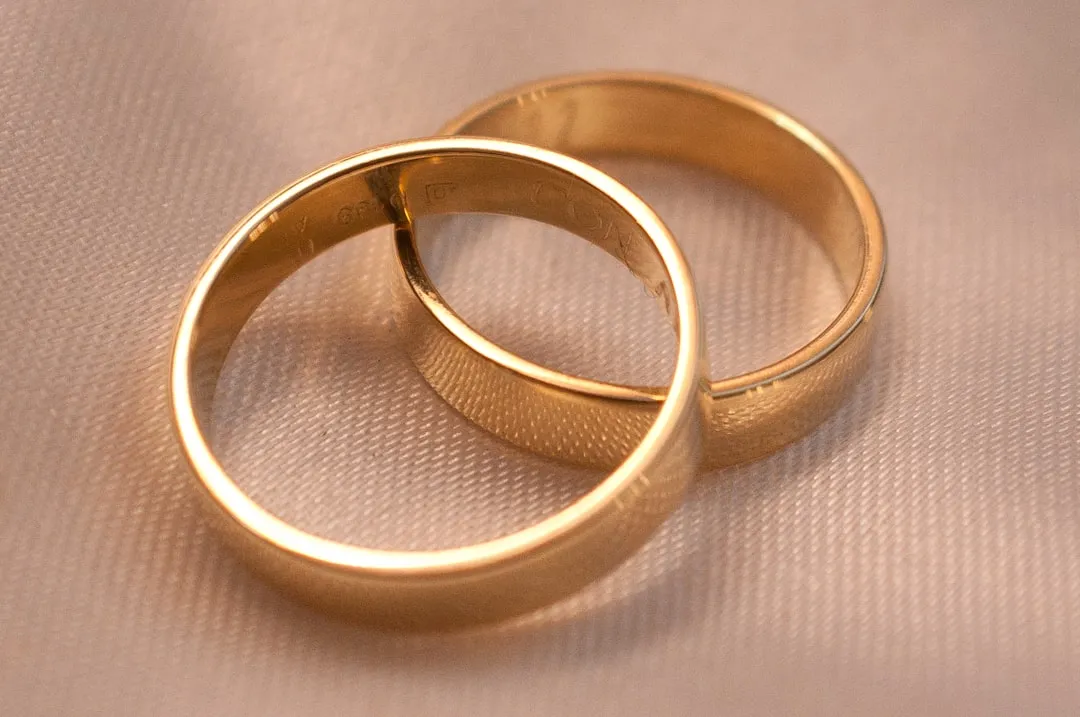
When it comes to choosing a 14K gold ring, price is about more than the number on the tag. Gold weight, craftsmanship, design complexity, gemstones, and market conditions all play a role in what you pay and what your ring is truly worth.
At Quantum Qarat, we believe jewelry buyers deserve clarity. Whether you are shopping for a wedding band, a custom engagement ring, a signet ring, or a meaningful everyday piece, understanding 14K gold pricing helps you make a confident decision.
What Is 14K Gold?
Gold purity is measured in karats. Pure gold is 24K, but 24K gold is soft and not always practical for rings that need to handle daily wear. A 14K gold ring contains 14 parts gold and 10 parts alloy metals, which means it is approximately 58.3% pure gold.
Those added metals often copper, silver, zinc, or other jewelry-safe alloys give 14K gold its strength, color, and durability. This is why 14K gold is one of the most popular choices for engagement rings, wedding bands, fashion rings, and custom jewelry.
In simple terms, 14K gold offers a strong balance of beauty, value, and wearability. It has enough pure gold to deliver that rich, warm look while being more durable than higher-karat options like 18K or 22K.
Why 14K Gold Is a Practical Choice for Rings
Choosing 14K gold is often the sweet spot for shoppers who want fine jewelry that can keep up with real life. It is durable enough for active lifestyles, stylish enough for heirloom-quality designs, and typically more accessible than higher-karat gold.
For Phoenix jewelry shoppers, that matters. A ring may be worn to work, the gym, dinner, outdoor events, and everywhere in between. If you want a piece that feels luxurious without being overly delicate, 14K gold is a reliable choice.
It is also highly versatile. 14K gold can be made in yellow gold, white gold, or rose gold, giving you flexibility when designing a piece that matches your personal style.
What Affects the Price of a 14K Gold Ring?
The cost of a 14K gold ring can vary widely. A simple band may cost a few hundred dollars, while a custom engagement ring with a diamond or colored gemstone can cost several thousand. Here are the biggest factors that influence price.
1. Gold Weight
Gold weight is one of the most important pricing factors. A thin, minimalist ring uses less gold than a heavy comfort-fit wedding band or bold signet ring. Two rings can both be 14K gold, but the heavier ring will usually cost more because it contains more precious metal.
When comparing rings, ask about the gram weight. This gives you a clearer understanding of the metal value behind the piece.
2. Current Gold Market Prices
The price of gold changes constantly based on global supply, demand, economic conditions, and investor activity. Because 14K gold contains real gold, market movement can affect the cost of new jewelry.
For current gold market data, shoppers can reference the World Gold Council’s gold price data. While retail jewelry pricing includes much more than raw metal value, the gold market still plays a role in material cost.
3. Design Complexity
A plain gold band is generally more affordable than a custom ring with detailed engraving, hand-applied texture, filigree, hidden stones, a bezel setting, or a sculptural profile. More complex designs take more time, planning, and precision.
This is where craftsmanship matters. You are not just paying for gold; you are paying for the skill required to make the ring comfortable, secure, balanced, and durable.
4. Custom Craftsmanship
Custom jewelry often costs more than mass-produced jewelry because it is made around your vision, measurements, stone choices, and lifestyle. The process may include consultation, sketches, CAD design, wax models, casting, stone setting, polishing, and final inspection.
If you are interested in creating something one-of-a-kind, explore Quantum Qarat’s custom jewelry design services.
5. Diamonds and Gemstones
Adding diamonds or gemstones can significantly change the price of a 14K gold ring. A simple 14K gold band will cost much less than a ring with a center diamond, sapphire, emerald, ruby, or pavé accents.
Stone pricing depends on size, cut, color, clarity, rarity, origin, and certification. Lab-grown diamonds can offer a larger look for the budget, while natural diamonds and certain colored gemstones may appeal to buyers who value rarity and long-term tradition.
For diamond education, the Gemological Institute of America is a helpful resource for understanding laboratory-grown diamond identification and reporting.
6. Ring Finish and Details
Small design choices can also affect price. Matte finishes, hand engraving, milgrain, custom textures, two-tone gold, flush-set stones, and personalized details all require additional labor. These touches can make a ring feel more personal, but they should be factored into your budget early.
Typical 14K Gold Ring Price Ranges
Every ring is different, but these general ranges can help you start planning your budget:
- Simple 14K gold bands: Often start around a few hundred dollars, depending on width, weight, and finish.
- Minimalist fashion rings: Usually vary based on gold weight and whether small stones are included.
- Gemstone rings: Can range from moderate to premium pricing depending on the stone type, size, and setting style.
- 14K gold engagement rings: Pricing depends heavily on the center stone, setting complexity, diamond or gemstone quality, and whether the design is custom.
- Custom 14K gold rings: Typically cost more than off-the-shelf designs because they include design time, modeling, craftsmanship, and personalized details.
Be cautious with any “solid gold” ring that seems unusually inexpensive. It may be gold-plated, gold-filled, hollow, or made with less gold than expected. The FTC Jewelry Guides outline important standards around jewelry marketing claims, including precious metal descriptions.
14K Gold vs. Gold-Plated and Gold-Filled Rings
One of the most important things to understand is the difference between solid gold, gold-filled, and gold-plated jewelry.
- Solid 14K gold: The gold alloy runs throughout the entire piece.
- Gold-filled: A layer of gold is bonded over another base metal.
- Gold-plated: A thin layer of gold is applied over another metal and may wear away over time.
Gold-plated and gold-filled jewelry can be great for certain fashion pieces, but they are not the same as solid 14K gold. For engagement rings, wedding bands, and heirloom jewelry, solid gold is usually the stronger long-term choice.
Why Transparent Pricing Matters
A reputable jeweler should be able to explain what contributes to the price of your ring. That does not mean every ring is priced only by gold weight. Fine jewelry pricing also includes design, labor, stones, setting work, finishing, quality control, and business overhead.
Still, transparency matters. You should feel comfortable asking questions like:
- Is this ring solid 14K gold?
- What is the approximate gram weight?
- Are the diamonds natural or lab-grown?
- Are the gemstones treated, natural, or synthetic?
- Is the ring custom-made or mass-produced?
- What maintenance does this design require?
At Quantum Qarat, we believe the buying process should feel collaborative, not confusing. A great ring should fit your style, your budget, and your life.
Is a 14K Gold Ring Worth It?
For many buyers, yes. A 14K gold ring is worth it because it offers a strong blend of durability, beauty, and long-term wearability. It is especially practical for people who want a ring they can wear often without choosing a metal that is too soft or too expensive for their needs.
It is also a strong choice for custom designs. Whether you want a clean modern band, a bold signet ring, a vintage-inspired setting, or a custom engagement ring, 14K gold gives jewelers room to create something beautiful and lasting.
If you are shopping for an engagement ring, you can also browse Quantum Qarat’s engagement ring collection or read our guide to designing a custom engagement ring.
How to Shop Smarter for a 14K Gold Ring
Before buying, think about how the ring will be worn. A delicate ring may be perfect for occasional wear, while an everyday wedding band or engagement ring needs more structural strength. Lifestyle matters just as much as style.
Here are a few smart shopping tips:
- Ask about metal quality: Confirm whether the ring is solid 14K gold, gold-filled, or plated.
- Compare gold weight: A heavier ring usually contains more gold and may feel more substantial.
- Think about maintenance: White gold may need rhodium replating over time, while yellow and rose gold develop their own patina.
- Choose stones carefully: Some gemstones are better suited for daily wear than others.
- Work with a jeweler you trust: Transparency and craftsmanship make a major difference.
Final Thoughts: Choose a Ring That Fits Your Story
The cost of a 14K gold ring depends on more than the metal itself. Gold weight, market prices, gemstones, design complexity, and craftsmanship all shape the final price.
But the best ring is not always the most expensive one. It is the one that fits your style, your lifestyle, your budget, and the meaning behind the moment.
Whether you are designing a custom engagement ring, upgrading a wedding band, or creating a personal piece you will wear every day, Quantum Qarat can help you understand your options and make a confident choice.
Ready to Design Your Own 14K Gold Ring?
Skip the guesswork and work directly with a jeweler who can walk you through gold choices, stone options, design details, and pricing. Visit our Custom Jewelry Design page to start your project, or explore our engagement rings for inspiration.
Frequently Asked Questions About 14K Gold Rings
How much gold is in a 14K gold ring?
A 14K gold ring contains approximately 58.3% pure gold. The rest is made of alloy metals that improve strength, color, and durability.
Is 14K gold good for everyday rings?
Yes. 14K gold is one of the best choices for everyday rings because it is more durable than higher-karat gold while still offering the look and value of fine gold jewelry.
Is 14K gold better than 18K gold?
Neither is automatically better. 18K gold contains more pure gold and has a richer color, while 14K gold is usually more durable and more budget-friendly. For daily wear, many shoppers prefer 14K gold.
Why do two 14K gold rings have different prices?
Two 14K rings can differ in price because of gold weight, design complexity, gemstone quality, brand, craftsmanship, and whether the ring is custom-made.
Can I design a custom 14K gold engagement ring?
Yes. 14K gold is an excellent choice for custom engagement rings because it is durable, versatile, and available in yellow, white, and rose gold.