
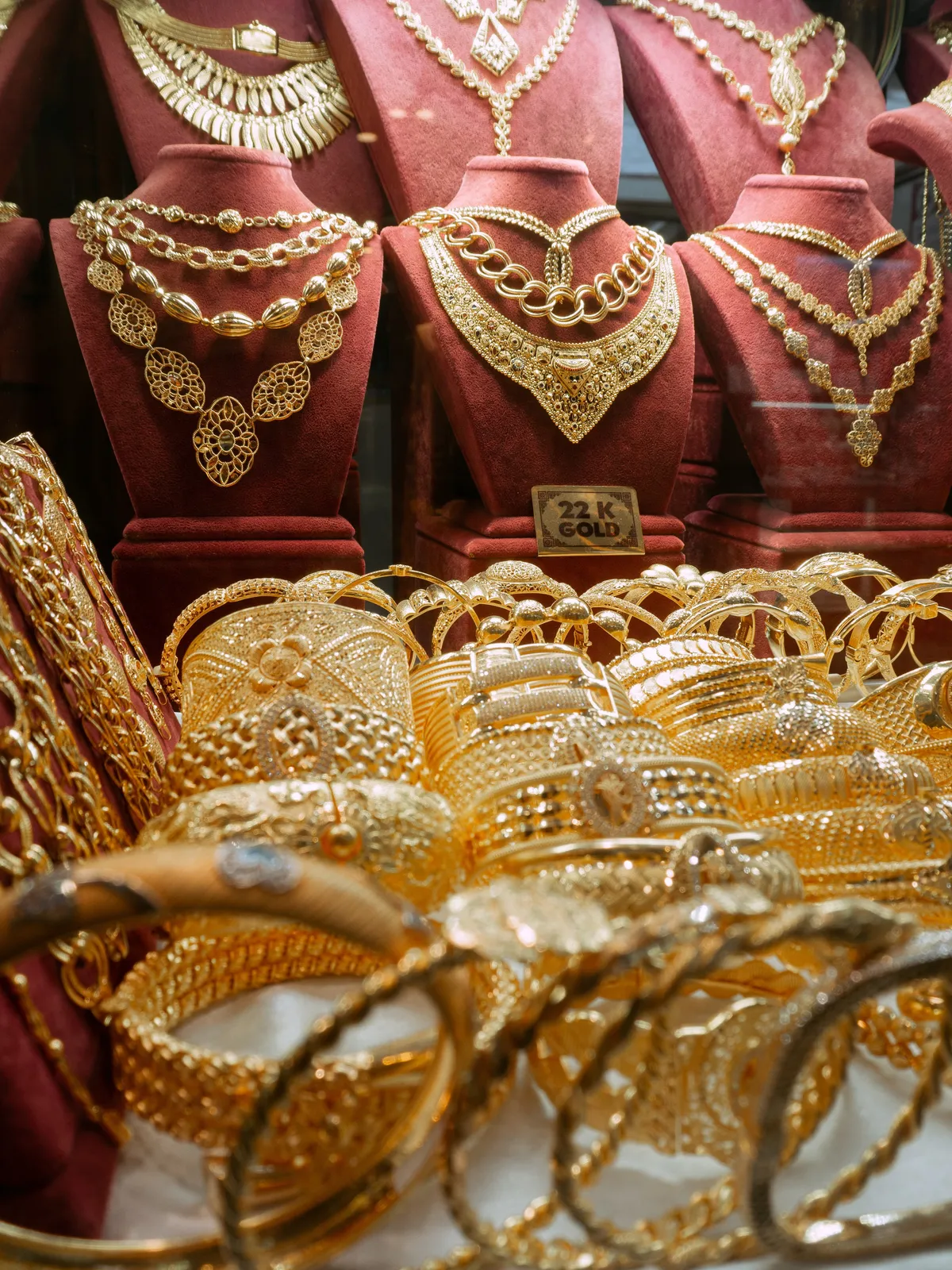
Jewelry for sensitive skin should be the easy part of getting dressed, not the thing that turns your day into an itch-fest. I’m Zak, the founder at Quantum Qarat here in Phoenix, and if you’ve ever had a ring leave a red outline or earrings that suddenly feel “spicy” by lunchtime, you’re not being picky. Your skin is giving you a very specific note.
In the studio, I see the same pattern all the time: a piece looks great, the price seems right, and then the skin reaction shows up later. The culprit is often nickel. What makes it annoying is you can wear nickel-containing jewelry for a long stretch before your body decides it’s done. Once that switch flips, it tends to stay flipped. That’s why I’d rather help you pick the right metal up front than troubleshoot a rash after the fact.
Jewelry for sensitive skin: why nickel causes irritation
Nickel is common in jewelry because it’s tough, it’s cheap, and it helps certain alloys behave. The problem is that when nickel rubs on skin, tiny bits can transfer over time, especially with sweat, friction, and daily wear. For some people, your immune system treats that contact like a threat, and you get the classic symptoms: redness, itching, dry patches, swelling, or small blisters.
If you’re surprised that the reaction didn’t happen right away, you’re not alone. The delayed onset is real, and it’s one reason nickel allergy is so frustrating. I’ve found this overview of sensitive-skin jewelry from Hermin does a solid job explaining how reactions can develop after repeated exposure and often don’t fully “go away.”
Jewelry for sensitive skin: best metals for allergies (my real-world short list)
When you’re looking for the best metal for nickel allergy, the goal is simple: choose metals that are reliably nickel-free, or so stable that nickel doesn’t easily migrate onto your skin. Here’s the same cheat sheet I use when you’re standing at my counter deciding between options.
| Metal | Nickel-free? | Best for | What it’s like to live with |
|---|---|---|---|
| Titanium | Yes | Earrings, everyday minimalist jewelry | Light, tough, and usually the “why didn’t I do this sooner” choice |
| Platinum | Yes | Engagement rings, wedding bands, heirloom pieces | Dense and durable, keeps its color, ages gracefully |
| 14K to 18K yellow gold | Often | Rings, chains, bracelets | Higher karat typically means fewer reactive alloy metals |
| Sterling silver (.925) | Often | Daily wear on a budget | Great when it’s real .925, just watch for mystery “silver tone” |
| 316L surgical stainless steel | Trace nickel | Affordable daily wear | Many people tolerate it, but it’s not my first pick for severe allergies |
| Niobium | Yes | Sensitive ears, body jewelry | Underrated, very skin-friendly, not as common in big-box jewelry |
Hypoallergenic jewelry metals: what I actually recommend when your skin is picky
Quick heads-up: “hypoallergenic” is not tightly regulated, so I don’t treat the label like a promise. I treat it like a starting point, then I look at the actual metal, the alloy, and where it touches your skin.
Jewelry for sensitive skin: titanium is the everyday MVP
If your ears or skin react to “most metals,” titanium is usually where I start. It’s light, it doesn’t corrode easily, and it plays nice with skin. Titanium is also a common recommendation across the industry for severe sensitivities. This comparison from Seaspray Jewelry calls out titanium as a consistent option for people who react to a lot of alloys, and that matches what I see in real life.
The one practical tradeoff: titanium is not as friendly to resizing and major edits as gold or platinum. So if you’re thinking about a ring where your size might change later, we’ll talk through that before you commit.
Platinum: the white metal choice when allergies are the priority
If you want that clean white look and you want to stop rolling the dice with irritation, platinum is a strong move. It’s typically very pure, it stays white without plating, and it’s a great long-haul metal for engagement rings and wedding bands. YFN’s breakdown of hypoallergenic metals puts platinum at the top tier for allergy-conscious buyers, and I’m with them.
Platinum costs more up front, yes. But it’s one of those materials that earns its keep over decades, not months.
Gold for sensitive skin: yellow gold is usually easier than white gold
Pure gold is naturally gentle, but pure gold is also soft, so jewelry uses alloys to make it wearable. In general, 14K or 18K yellow gold is a comfortable sweet spot for many people because it balances strength with a higher percentage of gold. Dana Rebecca Designs explains this well and it lines up with what I see when clients come in saying, “I thought I was allergic to gold.” A lot of the time, they’re reacting to the other metals mixed in.
White gold is where you need to be choosy. Some white gold alloys use nickel to get that bright color, and then rhodium plating is used to brighten it even more. The catch is plating wears down over time, especially on ring bottoms and earring posts, and then your skin meets the alloy underneath. If you love white gold, ask for nickel-free white gold or palladium-based white gold. If you want the simplest route, go platinum.
Sterling silver (.925): a good option when it’s legit
Sterling silver is usually 92.5% silver with copper as the main alloy. Most nickel-allergic folks do fine with true .925. The main issue is the marketplace. “Silver colored” and “silver tone” can mean anything, and that’s where nickel likes to hide. Look for the .925 stamp and buy from sources that can tell you what you’re getting.
If you’ve got an older piece you love but you’re not sure what it is, bring it in. Half the time I can spot the construction clues quickly, and the other half we test and confirm. Either way, you’ll know instead of guessing. (And yes, I’ve seen a “sterling” stamp that was… not exactly honest. Kinda wild.)
316L surgical stainless steel: usually fine, not always
316L stainless steel comes up a lot for everyday wear because it’s affordable and durable. It can contain nickel, but the structure of the alloy can make that nickel less likely to transfer under normal use. This explanation from SJ Jewellery gets into why many people tolerate 316L even when they react to other metals.
Still, if your nickel allergy is intense, I’d rather you not gamble. Titanium, niobium, and platinum are my safer lane.
Niobium: the quiet hero for sensitive ears
Niobium doesn’t get the attention it deserves. It’s typically used in a very pure form, it’s naturally nickel-free, and it’s especially solid for earrings and body jewelry. If your main problem is irritated piercing holes, switching the post metal alone can change everything. Robinson’s Jewelers highlights niobium as a strong pick for sensitive skin, and yep, it’s one of my favorites for stubborn earring reactions.
What to avoid if you want jewelry for sensitive skin that you can wear all day
This is where most problems start. Not because you did anything wrong, but because the jewelry industry has a lot of vague labeling.
- Unlabeled “mystery metal” fashion jewelry where nobody can tell you what the base metal is
- Gold-plated or silver-plated pieces over an unknown base metal, especially for rings and earrings that see friction
- Very low karat gold if you’ve reacted before, since there’s more alloy metal in the mix
- White gold that isn’t specifically confirmed as nickel-free
Plating is the big one. It can look perfect for weeks, then thin out right where your skin rubs most. Once the base metal shows through, the irritation starts, and it feels like it came out of nowhere. It didn’t. It just took a minute.
How I’d shop (if I had your skin)
If you want a practical plan, here’s what I recommend. Nothing fancy, just a few habits that save you time and discomfort.
- Ask for nickel-free. Don’t settle for “hypoallergenic” as the only detail.
- Check stamps like 14K, 18K, .925, or PT/PLAT.
- Prioritize contact points. Earring posts, backs, ring shanks, clasp areas. That’s where reactions happen first.
- Match the metal to the job. Platinum for forever rings, titanium or niobium for sensitive ears, high-karat yellow gold for classic daily wear.
- Have older pieces inspected if you suspect plating is wearing thin.
If you want to browse materials and styles that are built for daily comfort, start here: fine jewelry at Quantum Qarat. If you already have a design in your head and you want it made around your allergy needs, this is the page I send people to first: our custom jewelry process.
Planning a ring you’ll wear every day? Don’t ignore sensitivity
Engagement rings and wedding bands are basically full-time jewelry. If you’re choosing between platinum and rhodium-plated white gold, I laid out the real maintenance and wear differences here: rhodium vs platinum for rings. And if your question is more about gold purity, comfort, and durability, you’ll like this guide: 10K vs 14K vs 18K gold.
FAQ: jewelry for sensitive skin and nickel allergies
What’s the best metal for nickel allergy?
If you want the most reliable starting point, I’d put titanium and platinum at the top. They’re stable on skin and typically nickel-free.
Can you wear sterling silver if you’re allergic to nickel?
Usually, yes, as long as it’s true .925 sterling silver from a reputable seller. Skip anything labeled “silver tone” unless you know the base metal.
Why does “hypoallergenic” jewelry still irritate you?
Because the term isn’t a strict guarantee. You might be reacting to nickel in an alloy, plating that has worn through, or another metal like copper or cobalt.
Does surgical stainless steel contain nickel?
Often it has trace nickel. Many people tolerate 316L because the nickel is bound in the alloy, but if you’re very sensitive, it can still cause issues.
What’s the safest option for sensitive ears?
Look for titanium or niobium posts. The decorative front can be anything, but the post and back are what your piercing lives with all day.
Conclusion: jewelry for sensitive skin can still be your everyday thing
You don’t need to give up on jewelry just because your skin has opinions. You just need better materials and clearer info. If you stick with proven options like titanium, platinum, nickel-free gold choices, legit .925 sterling, and niobium, you’ll cut down the chances of irritation fast.
If you want help choosing a metal, reworking a piece you already own, or designing something from scratch that you can actually wear comfortably, reach out through custom jewelry. I’ll help you land on a piece that looks right and feels right, too. No guessing, no drama, just good jewelry.