
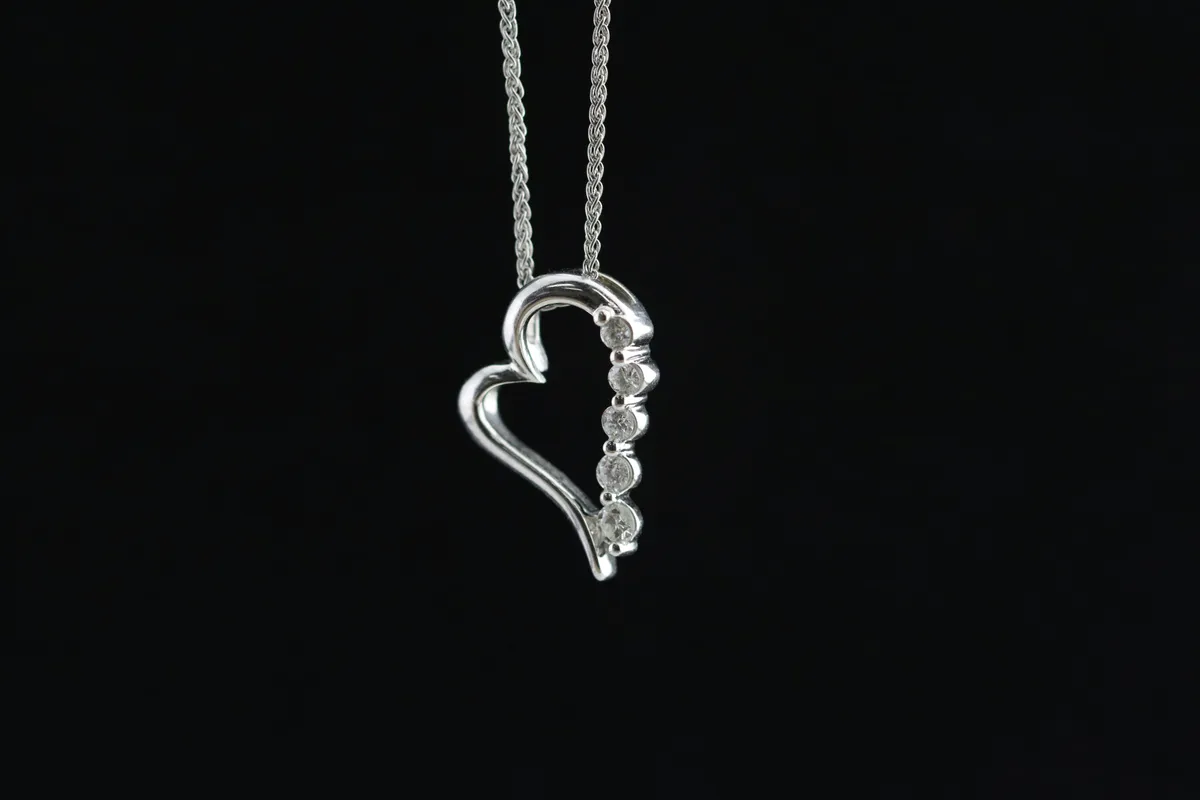
Rhodium plating white gold is the quickest reason a brand-new white gold ring looks crisp, bright, and almost mirror-clean under the lights. I’m Zak, the founder of Quantum Qarat here in Phoenix, and if you’ve ever looked down at your ring and thought, “Wait… why is my ‘white’ gold looking a little warm?” you’re not imagining things. Most of the time it’s simply the rhodium wearing thin in the spots that work the hardest.
Let’s make this practical. I’ll walk you through what rhodium is, what actually makes it wear off, how to time a refresh without overthinking it, and what you can do at home so your ring stays looking sharp between visits.
Rhodium plating white gold: what you’re really seeing
White gold is not naturally paper-white. It’s an alloy, which means yellow gold blended with other metals to push the color lighter. Under the surface, most white gold sits somewhere in the neighborhood of soft gray to a faint champagne tone.
That bright, “new ring” look usually comes from rhodium, a rare metal in the platinum family. It’s used because it’s very reflective and it resists tarnish well. If you want a straightforward explanation of why jewelers plate white gold in the first place, the overview from Gabriel & Co. lines it up nicely with what you’ll notice in real life: rhodium is the topcoat that makes white gold look its whitest.
So when the ring starts to look warmer, nothing “mystical” happened. You’re just seeing more of the underlying alloy as the plating gradually thins on the high-contact areas.
White gold rhodium plating: how the bench process works (no fluff)
When you bring a ring in for white gold rhodium plating, you’re not just paying for a dip in a mystery liquid. There’s prep work, and prep is what separates a quick coat from a finish that actually looks even and clean.
Here’s the basic flow I follow at the bench:
- Inspect first: I check prongs, settings, and any thin spots. Plating won’t fix structural issues, so it’s better to catch those early.
- Clean thoroughly: Oils, soap film, and everyday grime can keep plating from bonding evenly.
- Polish where appropriate: If the surface is scratched or dull, polishing helps the final shine read “bright” instead of “hazy.”
- Electroplate: The ring goes into a rhodium solution and an electric current deposits a thin rhodium layer onto the surface.
- Finish and re-check: Final rinse, final look, and a quick once-over of the setting.
The plating itself is thin, measured in microns, but visually it’s a huge difference. Details like milgrain, pavé, and crisp edges look especially good when the surface under the rhodium is prepped right.
How often to rhodium plate a ring: a realistic schedule you can live with
If you ask ten jewelers how often to rhodium plate a ring, you’ll get ten versions of the same answer: “It depends.” Not because we’re being vague, but because your ring’s life is your life. Desk work, gym time, gardening, frequent handwashing, even the way you hold a steering wheel can change the timeline.
That said, here’s a baseline that matches what I see week to week:
| Jewelry type | Typical wear pattern | Common re-plate window |
|---|---|---|
| Engagement ring | Daily wear, lots of contact | About every 12 to 18 months |
| Wedding band | Daily wear, constant friction | About every 12 to 18 months |
| Right-hand ring | Frequent wear varies | About every 1 to 3 years |
| Earrings and pendants | Low friction, fewer impacts | Often 2+ years |
That 12 to 18 month window for daily-wear rings lines up with the practical guidance you’ll find from other shops too, including Robinson’s Jewelers, which explains why re-plating is a normal part of keeping that bright white look.
If you want the simplest rule I give clients: don’t re-plate on a calendar. Re-plate when you can see the warmth coming through or when the shine looks muted even after a careful at-home cleaning.
Rhodium plating white gold wears faster for a few boring reasons (but you can fight back)
Two people can buy the same white gold ring on the same day and one will need re-plating in 10 months while the other cruises for two years. That’s normal.
The biggest wear accelerators are:
- Friction: Keyboards, countertops, barbells, tools, pockets, stroller handles. Rings take constant micro-abuse.
- Chemicals: Hand sanitizer, sunscreen, lotion, household cleaners, chlorine. They don’t always “strip” rhodium instantly, but they can dull the surface and speed up wear.
- Skin chemistry: Your natural oils and pH can make plating wear faster. No one loves hearing that, but it’s true.
- Starting thickness: Not all plating jobs are equal. A thicker, well-prepped application typically lasts longer than a quick, thin coat.
My low-effort care advice is pretty unglamorous, but it works: take your ring off for chlorine and heavy work, keep a small dish by the sink, and toss a soft pouch in your bag for when you’re out. That tiny habit saves you a lot of needless wear. And yes, I’ve seen people extend the life of their plating just by being a bit more consitent about “ring off, ring on.”
Signs your rhodium plating white gold needs a refresh
You usually notice it in this order:
- Warmth at the bottom of the band: The underside of the shank is the first to go because it’s always rubbing against something.
- Edges look slightly creamy: High points and corners wear first.
- Shine looks flat: Even after you clean it, it doesn’t “pop” the same way.
Light scratching can show up too. That doesn’t mean your ring is failing. Often it just means the outer rhodium layer is thinning and the underlying alloy is taking the wear.
If you’re on the fence, I’d rather you come in for a quick look before a small issue turns into prong work. If you’re local, you can set that up through our Appointment and Contact page.
Do you actually have to plate white gold?
No. You can absolutely live with unplated white gold if you like its natural tone and you don’t want the upkeep. Some designers argue plating has become a default that not everyone truly needs, and Jodie Gearing makes that case clearly.
Here’s how I frame it when you’re deciding:
- If you love a bright, cool-white finish, rhodium is part of the package and refreshes are normal.
- If you prefer a softer white with a hint of warmth, you may be happier skipping plating and just keeping the ring clean and polished.
- If you’re still unsure, we can talk metal choices upfront when you’re designing a piece. Our Custom Jewelry page gives you a good feel for how we build for durability and real-world wear.
What does rhodium plating cost, and what should be included?
In most markets, rhodium plating for a ring often lands somewhere around $40 to $100, depending on the shop, the ring’s condition, and how much finishing it needs beforehand. The rhodium itself matters, but what you’re really paying for is bench time: cleaning, polishing, careful handling around stones, plating, and final finishing.
When you come to Quantum Qarat, I like to treat re-plating as a maintenance visit, not a drive-thru cosmetic touch-up. A quick inspection at the same time can help you avoid loose stones and worn prongs later.
My simple maintenance rhythm for white gold
If you wear your ring daily, plan a check-in about once a year. Sometimes you’ll need a re-plate. Sometimes you won’t. Either way, you leave with clarity instead of guessing.
And if you’re someone who’s tough on your hands, think construction, healthcare, gym routines, constant cleaning, shorten that window. It’s not about being precious with your jewelry. It’s about not grinding it down faster than you need to.
FAQ: rhodium plating white gold
How often to rhodium plate a ring if you wash your hands all day?
If you’re using soap, sanitizer, and cleaning products constantly, expect faster wear. Many people in that routine end up closer to the 12-month mark, sometimes sooner, depending on friction and skin chemistry.
Will re-plating remove scratches?
Re-plating usually comes with polishing, which can reduce or remove many surface scratches. Deep gouges, thin shanks, or worn prongs should be repaired first, then plated for the best result.
Does rhodium plating make a ring hypoallergenic?
Rhodium is generally well-tolerated, but plating is not permanent. If the alloy underneath contains nickel, wear can eventually expose it again. If metal sensitivity is part of your story, you may want to compare white metals in my guide Rhodium vs. Platinum.
How should you clean rhodium-plated white gold at home?
Use warm water, mild dish soap, and a soft toothbrush. Rinse well and dry with a soft cloth. Skip harsh cleaners. If your ring has delicate settings or lots of tiny stones, be cautious with ultrasonic cleaners and ask me first.
If your ring looks yellow, does that mean it’s fake?
Usually, no. A warm tone often just means the rhodium is worn off in a few areas. If you want peace of mind, have it checked. I also put together a quick reality-check guide here: How to Spot Fake Gold Jewelry in Minutes.
Conclusion: keep the bright look without the guessing game
Rhodium plating white gold isn’t a “gotcha.” It’s simply the finish that delivers that bright, clean-white look most people expect when they choose white gold. If you wear your ring daily, a refresh around every 12 to 18 months is a solid baseline, and your eyes will usually call it before the calendar does.
If you want me to check your ring and tell you whether it needs a re-plate, a polish, a tightening, or just a good clean, book a visit through the Appointment and Contact page. I’ll give you a straight recommendation based on how you actually wear it, not how it “should” be worn.