
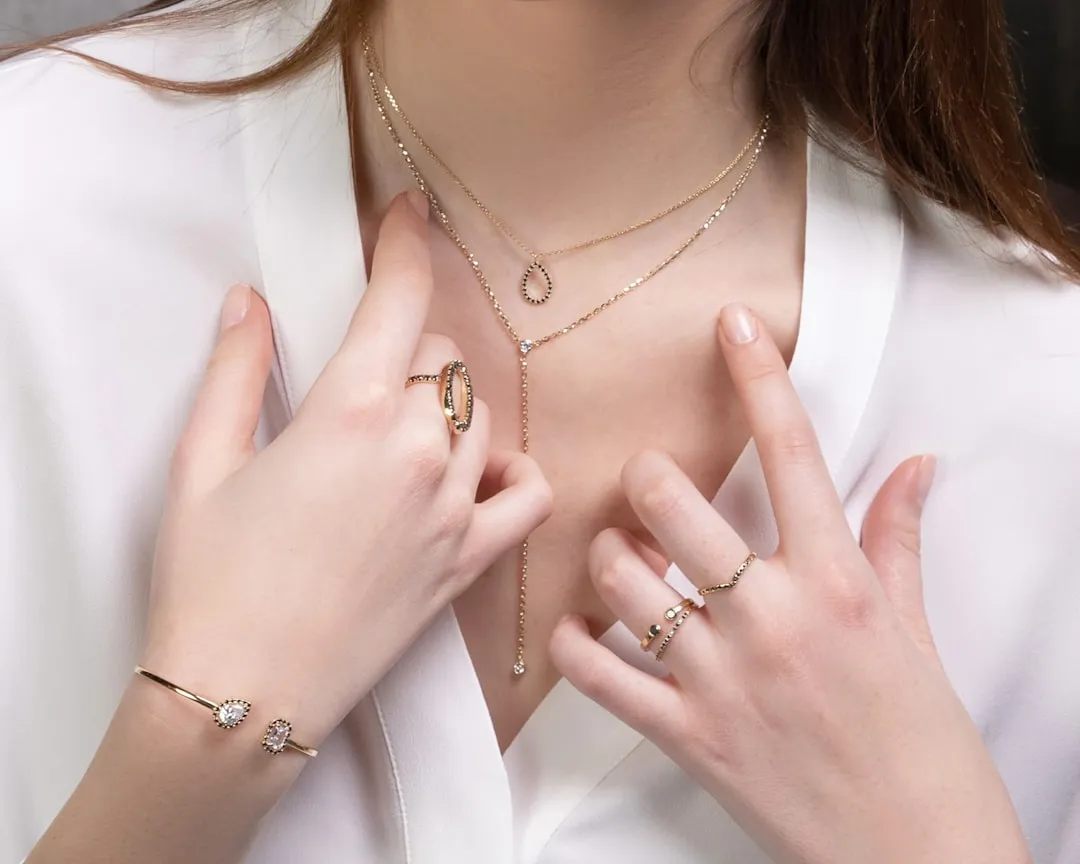
This diamond pendant buying guide is the exact conversation I have with people at Quantum Qarat all the time: you want something that looks great on day one, but also feels right six months from now when it has become part of your routine. I’m Zak, the founder here in Phoenix, and I’ll walk you through the three styles that come up most: solitaire, halo, and station. Same category, very different vibe on the neck.
If you like to start with the stone first (smart move), take a look at our diamond and diamond jewelry page. Once you know what kind of diamond you’re leaning toward, picking the right setting style gets a whole lot easier.
Diamond pendant buying guide basics: pendant vs necklace (quick, but important)
One small detail that changes how you shop: a pendant is the diamond and its setting. A necklace is the full piece, meaning pendant plus chain. Why it matters is simple. If you buy a pendant you love, you can often move it to a different chain later, switch lengths, or even change the look with a different metal color.
If you want a clean outside explanation of the terminology, With Clarity lays out pendant vs necklace in plain English on their diamond pendant necklace overview. It lines up with how I explain it at the counter.
Diamond pendant buying guide: solitaire pendant (the “put it on and forget it” choice)
If you want a piece that doesn’t argue with your outfits, the solitaire is usually the answer. It’s one diamond in a straightforward setting, commonly four prongs or a bezel, hanging from a bail on a chain. No side stones, no extra frames. The diamond is the whole point.
Here’s what I see in real life: a solitaire sits clean, layers easily, and photographs well without trying too hard. It’s the necklace you throw on with a t-shirt and still feel “done.” When you choose a great cut, that simple setting lets the light do the heavy lifting, which is also something VRAI touches on in their diamond pendant guide.
What I’d prioritize with a solitaire:
- Cut quality: with no distractions, you notice liveliness right away.
- Setting protection: if you’re a “sleep in it” person, consider bezel or sturdier prongs.
- Shape that suits you: round is the easy crowd-pleaser, but oval, pear, emerald, and radiant can look amazing if the proportions are right.
One little insider note: if you tend to snag knits or you live in hoodies, talk to me about a bezel. It’s not the only option, but it’s a practical one.
Diamond pendant buying guide: halo pendant (big sparkle, strong presence)
A halo pendant keeps a center diamond but adds a ring of smaller diamonds around it. The payoff is obvious when you put it on. You get more sparkle spread, and the center looks larger from normal viewing distance. If you like the idea of a “wow” look without paying for a big jump in center carat weight, halo can be a very clever move.
The basic idea is the same thing you see in mirrors every day: framing changes perception.
Now the honest part. A halo has more tiny stones, more prongs, and more edges. That can mean a little more upkeep. It’s not “high maintenance,” but it is the style most likely to need a check-in over the years, especially if you wear it daily and never take it off. If you want halo sparkle but you’re tough on your jewelry, I can build it with more protective details, like a thicker halo wall or more secure settings.
Also, if you’ve ever had a pendant flip on you, halos are sometimes more prone to that depending on the build. Easy fix though. The bail and balance point matter a lot.
Diamond pendant buying guide: station necklace vs pendant (different kind of shine)
This is where people get surprised. A station necklace isn’t one main pendant. Instead, you have diamonds spaced along the chain. The sparkle is “everywhere,” but it’s subtle and modern. It also layers like a dream because there isn’t one chunky focal point sitting on top of your other necklaces.
From a jeweler’s angle, station necklaces put extra pressure on craftsmanship. The chain is the structure of the whole thing. If you’re active, you want:
- Stronger chain links and good solder work
- Secure settings at each station (bezels can be awesome here)
- Connection points that are built to handle daily tugging
If you want a refined everyday look that isn’t fussy, station is one of my go-to recommendations. It’s quietly expensive-looking in the best way.
Solitaire vs halo vs station: diamond pendant buying guide comparison table
| Style | Best for | How it looks on you | Upkeep | How to spend smart |
|---|---|---|---|---|
| Solitaire pendant | Everyday wear, gifting, timeless style | One clean focal point | Low to moderate | Put your budget into cut quality and a sturdy setting |
| Halo pendant | Statement sparkle, photos, special occasions | More presence, bigger face-up look | Moderate to higher | Use halo to boost size without jumping center carat weight |
| Station necklace | Layering, modern minimalism, daily shimmer | Sparkle spread across the neckline | Moderate | Balance diamond matching with a chain you can trust |
How I help you choose (the questions that actually matter)
When you’re stuck between a solitaire vs halo pendant, or you’re debating station necklace vs pendant, I don’t start with carats. I start with how you live.
- What’s the job of this piece? Daily go-to, wedding jewelry, push present, anniversary, graduation, or “I just want one nice thing I’ll wear nonstop.”
- Do you want a focal point or all-over shimmer? If you want one center moment, go pendant. If you want distributed sparkle, station is your lane.
- How hard are you on jewelry? If you rarely take it off, simpler settings and smoother edges tend to win.
- What do you actually wear? V-necks and open collars love a pendant drop. Higher necklines and layering people usually love station.
If you’re trying to pick one piece that covers 90 percent of your life, I usually steer you toward a solitaire pendant or a station necklace. Halos are amazing, but they’re more “intentional.” Not bad, just different.
Chain length and details that make or break the look
A diamond can be perfect and still feel “off” if the chain is wrong. Most people land in the 16 to 18 inch range because it sits near the collarbone and works with almost everything. If you want more drop, 20 to 22 inches can look killer, especially with a larger solitaire or a halo.
Metal choice is personal, but here’s the quick version I tell clients in the showroom:
- White gold or platinum: crisp, bright, and keeps the attention on the diamond.
- Yellow gold: classic warmth and contrast, especially pretty with round and oval stones.
- Rose gold: softer warmth, great if you want something a little different without being loud.
If you’re deciding between white gold and platinum specifically, the same pros and cons apply for pendants as they do for rings, and I break that down in our post Rhodium vs Platinum: the white metal showdown.
My non-negotiables for build quality: even prongs, a bail that matches the chain, and a chain thickness that can handle the pendant’s weight. And yes, I’ve seen plenty of gorgeous pendants ruined by a flimsy chain. Don’t do that to yourself, oky?
Diamond quality, certification, and budgeting without overthinking it
If you’re buying a diamond pendant, I’m a big fan of certified stones when possible. It keeps expectations aligned and makes life easier if you ever insure it or upgrade later.
Here’s the simplest budgeting approach, style by style:
- Solitaire: prioritize cut first, then color and clarity. There’s nowhere to hide, in a good way.
- Halo: choose a center diamond that performs well, then let the halo add visual size and sparkle.
- Station: aim for well-matched diamonds and a chain that’s built like it means it.
If you’d rather browse first and customize later, start with our fine jewelry collections. Then we can tweak length, diamond size, spacing, and metal until it fits you, not a generic product photo.
Care and longevity (how you keep it looking new)
Diamonds are tough. Settings and chains are the parts that need attention. If you wear your piece a lot, I suggest a quick inspection once or twice a year, especially for halos and station necklaces where there are more tiny points that can loosen over time.
At home, keep it simple: warm water, mild soap, soft brush, and a quick rinse. Store necklaces separately so chains don’t tangle and diamonds don’t rub against other pieces.
If you ever feel snagging, see a prong that looks bent, or hear a weird little click, stop wearing it and get it checked. A small tighten today beats a bigger repair later. If you need anything from cleaning to repairs, you can see what we do on our jewelry services page.
FAQ: Diamond pendant buying guide
Is a halo pendant practical for everyday wear?
Yes, if it’s built well and you’re willing to have it inspected occasionally. Halos have more small stones and prongs, so they benefit from routine checkups more than solitaires.
What chain length is best for a diamond pendant?
Most people love 16 to 18 inches for a collarbone fit. If you layer necklaces, choose a length that gives you spacing so pieces don’t stack on top of each other.
Solitaire vs halo pendant: which looks bigger?
Halo almost always looks bigger because the accent diamonds increase the overall face-up diameter and sparkle footprint.
Station necklace vs pendant: which layers better?
Station necklaces usually layer more easily because the sparkle is spread out and doesn’t create one bulky focal point. A solitaire layers well too, you just want to stagger lengths on purpose.
Can you customize a solitaire, halo, or station necklace at Quantum Qarat?
Yes. We can customize diamond size and shape, metal type, chain style and length, station spacing, and details like hidden halos or bezel edges. If you want to start something bespoke, head to our custom jewelry page.
Conclusion: choosing the right style for your life
If you want classic and effortless, a solitaire pendant is hard to beat. If you want sparkle and presence with a smart “bigger look,” a halo pendant delivers, as long as you’re ok with a bit more upkeep. If you love modern styling and layering, a station necklace gives you that steady shimmer that looks polished without feeling fussy.
If you want a second set of eyes on proportions, diamond specs, chain length, or durability details, I’m happy to help. Start with the diamond, and we’ll build the setting around your style so it feels like yours from day one.