
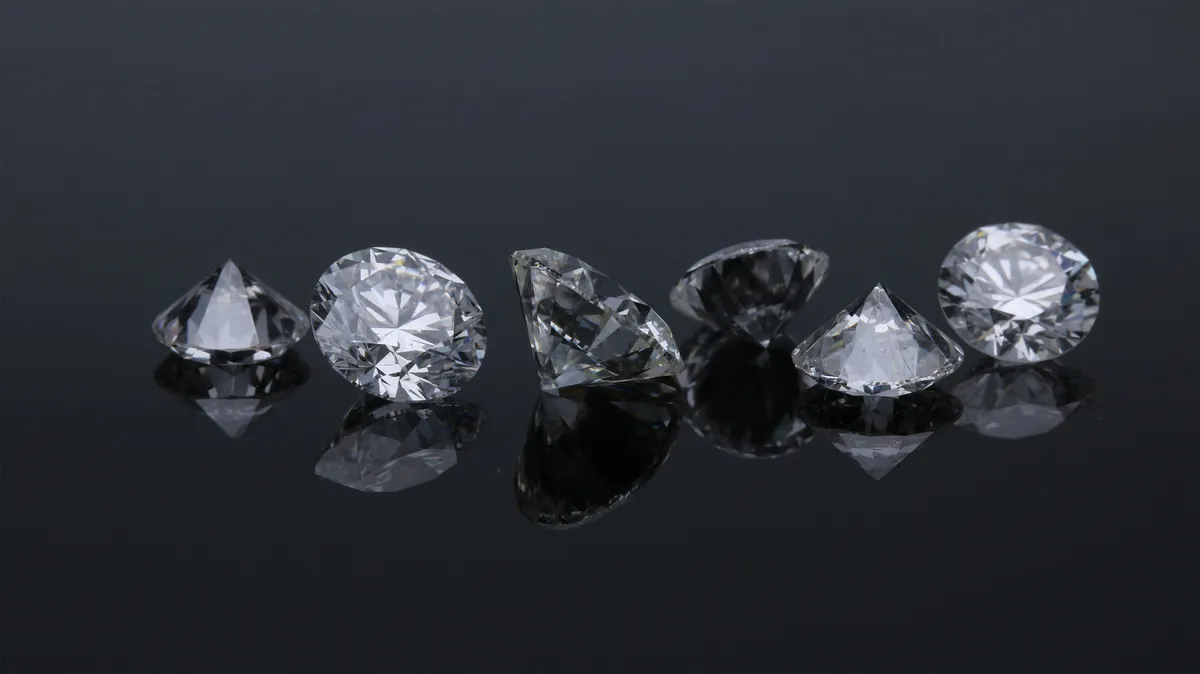
Champagne diamonds explained, the way I explain them in my Phoenix studio, starts with one simple idea: you’re not picking an “off” diamond, you’re picking a diamond with a warm point of view. I’m Zak, the founder of Quantum Qarat, and if you’re considering a champagne center stone, you’re probably after something softer than icy white, but still unmistakably diamond. Let’s walk through what champagne diamonds are, what affects champagne diamond value, and which ring styles make that glow look intentional from day one.
Champagne diamonds explained: what you’re actually looking at
Champagne diamonds are natural diamonds with color that leans warm: think golden straw, honey, light mocha, or deeper cognac. That color is not a coating or a trick. It comes from tiny changes in the diamond’s chemistry and structure as it formed, which affects how it absorbs and reflects light. If you like the nerdy version (I do), Natural Diamonds has a clear overview of how these stones form and why the color is natural at Natural Diamonds’ guide to champagne diamonds.
One thing I want you to know before you start comparing stones online: “champagne” is a trade nickname, not an official lab color grade. On a grading report, you’ll usually see something like Fancy Light Brown, Fancy Brown, or a mix such as Fancy Yellowish Brown. In other words, the romance name is for everyday conversation. The lab language is what keeps your comparison honest.
You may also run into the old C-scale (C1 through C7) that some sellers still reference. C1 is the lightest and C7 is the deepest, richest cognac tone. I’ll use it casually when we’re narrowing a vibe, but if you’re making a real buying decision, you’ll want to anchor it to what you see in-person and what the report says.
Champagne diamonds explained with real-world color tips (not lab-speak)
Color is where champagne diamonds either feel magical or just… kind of beige. The difference is usually saturation and how evenly the color shows across the face. Here’s what I have you do when we’re looking at stones side by side:
- Check the diamond in two lights: daylight (or a neutral LED) and warm indoor light. Some stones get richer indoors, some go a little flat.
- Look for even color: you want the warmth to read consistent, not patchy.
- Decide whether you want “bright warm” or “smoky warm”: both are great, but they call for different cuts.
If you’re early in the hunt, you can also use our in-house education hub to get grounded on diamond basics before you go down a rabbit hole at Diamonds and diamond jewelry at Quantum Qarat.
Champagne diamond value: what actually moves the price
With traditional white diamonds, less color usually means more money. With champagne diamonds, pricing can flip around. A pale champagne can be beautiful, but the deeper honey-to-cognac stones are often harder to find in the exact look people want, and that can push the price up.
Here’s the part that surprises a lot of buyers: you still need the same fundamentals, especially cut. The Diamond Pro does a solid job explaining how the classic value factors apply while color intensity plays a bigger role for champagnes at The Diamond Pro’s champagne diamond education. I agree with that in practice, because I see it every week sourcing stones for custom rings.
| What you’re judging | What I look for with you | What it changes on your hand |
|---|---|---|
| Color intensity | Warmth that’s clearly present, from light honey through rich cognac | More personality and presence, often more demand |
| Cut quality | Strong light return and good proportions for the shape | Better sparkle, color looks lively instead of dull |
| Clarity | Eye-clean, not perfection on paper | Inclusions can blend more easily in tinted diamonds |
| Carat size | Finger coverage that matches your lifestyle and budget | Bigger face-up area shows more warmth |
| Shape | Choose a shape that supports your preferred “kind” of glow | Some shapes amplify sparkle, others emphasize depth |
My practical rule: if you want a champagne diamond to look rich, don’t under-buy the cut. A great cut can make a modest stone look expensive. A weak cut can make an otherwise pretty stone look sleepy.
Best metals for a champagne diamond ring (what I’d put on your hand first)
If you walked into my shop and said, “Zak, I want the champagne color to pop,” I’d hand you yellow gold and rose gold first. Warm metals tend to amplify warm diamonds, and the whole ring reads cohesive. Gem Breakfast talks about this warm-metal pairing as a consistent styling win at Gem Breakfast’s article on champagne diamonds.
Can you do platinum or white gold? Absolutely. The trick is that some champagne diamonds look more muted in a cool setting, especially in office lighting. If you love a white metal band for wear-and-tear reasons, I’ll often build a warmer-toned basket or use yellow gold prongs so the diamond still looks like itself. It’s one of those small design moves that makes a big difference.
Ring styles that make champagne diamonds look intentional
A champagne diamond is already doing something different, so your setting should either keep it clean and modern, or lean into the warmth and detail. Here are the styles I see working over and over, both in real life and in photos you’ll still like years from now.
- Solitaire: simple and confident. The color is the point, so you don’t have to over-design it.
- Vintage-inspired details: milgrain, soft engraving, delicate halos. Champagne tones and antique vibes get along naturally.
- Three-stone: great if you want more finger coverage or want to balance the warm center with brighter side stones.
- East-west oval: modern, a bit unexpected, and often wears lower.
- Halo: if you want the center to look bigger and brighter, a halo can do that, especially with thoughtful color pairing.
Cut and shape matter here too. Round brilliant, oval, and cushion tend to throw more sparkle, which helps the color feel bright. Step cuts (emerald, Asscher) can look ultra classy in champagne, but they show clarity characteristics more easily, so you want to be pickier with the exact stone.
If you’re already leaning toward a one-of-one build, you can see how we approach design and sourcing at Custom jewelry at Quantum Qarat. That page will give you a feel for how the process works without any fluff.
The honest “is it just marketing?” conversation
You might hear someone say champagne diamonds used to be “undesirable” and the name is just a rebrand. There’s some history there. The industry absolutely got better at presenting brown diamonds as beautiful. But here’s what matters when it’s your ring: champagne diamonds are still real diamonds, they’re made for daily wear, and plenty of people prefer them because they feel calmer and more personal than bright white.
If the warmth fits you, it’s not a compromise. It’s a choice. And honestly, I’d rather see you in a stone you love than in a stone you picked because you felt you were “supposed” to.
Buying tips I give you before you spend real money
When you’re trying to get the most beauty for your budget, these checkpoints save you from regret later.
- Get a reputable grading report so the color description is clear and comparable.
- View the diamond in multiple lighting conditions. If you can only see it under jewelry-store spotlights, you’re not getting the full story.
- Prioritize cut. Sparkle is what keeps champagne color looking bright.
- Pick your metal on purpose. Yellow and rose gold usually flatter. White metals can work with the right design choices.
- Build for durability. Secure prongs and a setting height that matches your day-to-day makes a huge difference.
If you’re tough on jewelry, or you’ve ever had a stone come loose, it’s worth thinking about protection up front. I put together a practical guide for what to do if a stone falls out, and it also helps you understand how settings fail in the first place at Help, a diamond fell out of my ring: what to do now.
FAQ: champagne diamonds explained
Are champagne diamonds real diamonds?
Yes. Champagne diamonds are natural diamonds with a warm brown-golden hue created during formation. They’re not simulants.
Does a darker stone always have higher champagne diamond value?
Often, deeper honey-to-cognac colors can be rarer and priced higher than very light stones, but cut, clarity, carat, and overall beauty still matter. I’ve seen lighter stones that look incredbly alive because the cut is so good.
What metal looks best for a champagne diamond ring?
Yellow gold and rose gold usually make champagne diamonds look richer. White gold and platinum can look great too, but I recommend using warmer prongs or a warm basket if the stone starts looking muted.
What shapes sparkle the most with champagne diamonds?
Round, oval, and cushion are popular because they return a lot of light, which keeps the warm color looking bright.
How do you keep a champagne diamond ring secure long-term?
Choose a setting that suits how you wear your ring, then get the prongs checked regularly. If you stack bands or wear your ring daily, a slightly more protective head design is usually worth it.
Conclusion: pick the warmth that feels like you
If you take nothing else from this, take this: the best champagne diamonds are the ones that look lively, not just “brown.” Get the color you love, insist on a cut that sparkles, and pair it with a metal that supports the warmth. That’s how you end up with a champagne diamond ring that looks deliberate and elevated, not like you settled.
If you want me to help you compare a few stones and sketch a setting that fits your life in Phoenix heat, gym days, work gloves, whatever your reality is, start at Quantum Qarat and I’ll walk you through it one-on-one. Also, fair warning: once you see a great champagne diamond in the right gold, it’s hard to unsee it.