
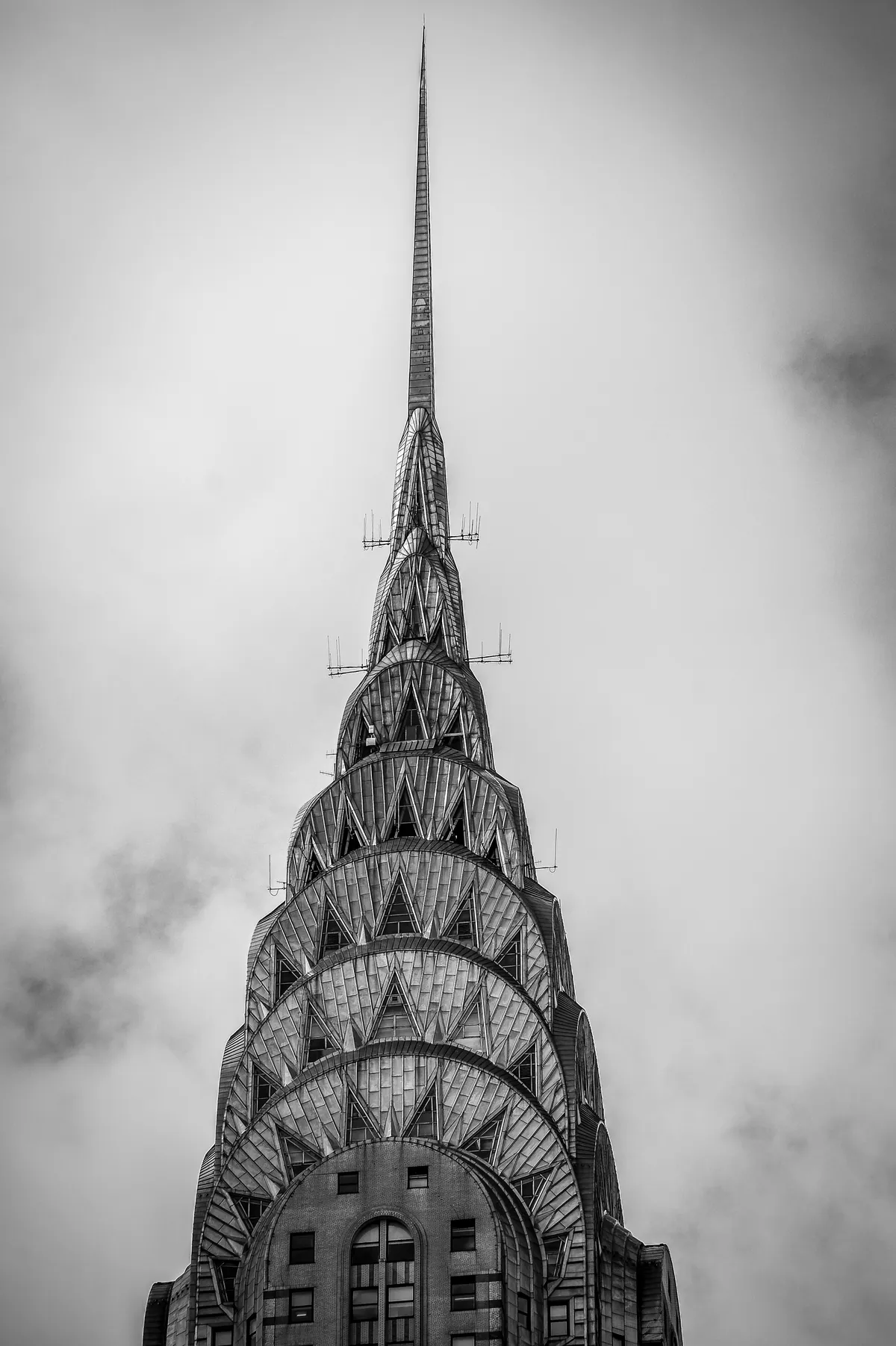
Art deco vs victorian vs edwardian rings is one of those questions that sounds simple until you’re holding a ring in your hand and thinking, “Okay… what are you?” I’m Zak Briggs, founder of Quantum Qarat here in Phoenix, and when you’re trying to place an older ring, you don’t need a museum-level lecture. You need a few reliable tells you can spot fast: the metal, the overall line style, and the way the stones are cut. Get those three working together and the era usually reveals itself.
Before we jump in, quick terminology so you don’t get tripped up while shopping: “antique” usually means 100+ years old, while “vintage” is often 20 to 100 years old. If you want the clean breakdown of those timeframes across different vintage ring eras, this overview is handy: Vintage ring eras explained. Victorian and Edwardian are safely in antique territory, and Art Deco pieces can land right on that antique line depending on the exact year.
Art deco vs victorian vs edwardian rings: the 15-second “line test” I use
If you’re learning how to identify antique ring styles, start by looking at the ring like it’s a tiny piece of architecture. Ignore the sparkle for a second and look at the shape language.
- Victorian: ornate, story-driven, a little “more is more.”
- Edwardian: airy, lacy, soft curves, lots of openwork.
- Art Deco: crisp geometry, symmetry, clean edges, strong outlines.
In the shop, I’ll often do a quick vibe check (not scientific, just useful). Does it feel like a romantic keepsake? Victorian. Does it feel like lace in metal? Edwardian. Does it feel like a jazz-age building with repeating patterns? Art Deco. Then I confirm with metal type, construction details, and stone cuts so you’re not guessing based on aesthetics alone.
Victorian rings (1837–1901): warm gold, symbolism, and “tiny stories”
Victorian jewelry covers a long stretch, so you’ll see variety, but the common thread is meaning. These rings were made to say something: love, remembrance, status, faith, family. You’ll run into yellow gold constantly, plus colored stones and motifs pulled from nature and sentiment. If you want a solid era overview with examples of what shows up again and again, this guide is a good reference point: Antique rings and the Victorian period.
When you pick up many Victorian rings, they feel a touch more substantial in the hand. You’ll often see more visible metal and settings that don’t try to disappear. Platinum wasn’t the everyday standard yet, so the overall look leans warm and golden. And yes, you may stumble across mourning details (hairwork, dark enameling, memorial inscriptions). It can feel unusual now, but it’s part of what makes true antique pieces so personal.
Art deco vs victorian vs edwardian rings: quick Victorian giveaways
If the ring looks like it’s trying to tell you something, you’re probably staring at Victorian. Here are the details I ask you to look for when you’re standing at a case or scrolling listings late at night.
- Metal: yellow gold is the big clue
- Stone cuts: old mine cut diamonds are common, usually chunkier and more pillow-shaped than modern rounds
- Common gems: garnet, amethyst, onyx, pearls, and other colored stones used for symbolism
- Motifs: florals, serpents, hearts, birds, hands, and sentimental themes
- Overall feel: ornate, layered detail, sometimes darker and moodier in late 1800s styles
If you’ve got a Victorian piece that needs sizing or prong work, slow down and get it looked at first. A hundred-plus years of wear can thin a shank or soften prongs in sneaky ways. If you want to see how we handle repairs and restorations in-house, you can start here: Quantum Qarat Services.
Edwardian rings (1901–1915): platinum lace, milgrain edges, and graceful space
Edwardian rings are for you if you love detail, but you want it to feel light rather than heavy. This is the era where “white” jewelry really takes off, and platinum becomes the star because it’s strong enough to hold fine work without chunky support. The look people fall for is that airy, lacy negative space, like the ring is breathing.
When you’re trying to confirm an Edwardian ring, focus on the delicacy of the metalwork: filigree, tiny bead-like milgrain, and garland-style motifs like bows, swags, and floral drapes. If you want a clean checklist of what to look for, this is a helpful reference: How to identify an Edwardian ring.
Diamond cuts in this era often lean old European cut, which tends to read rounder with a softer, broader sparkle than modern brilliant cuts. It’s not better or worse. It’s just a different kind of glow.
Art deco vs victorian vs edwardian rings: the Edwardian vs Art Deco “movement” check
This is the mix-up I see the most: Edwardian vs Art Deco. Both can be platinum. Both can be diamond-forward. Both can look refined. The difference is how the design moves.
- Edwardian moves like a vine: scrolls, curves, lacework, soft transitions.
- Art Deco moves like a blueprint: angles, repetition, symmetry, defined borders.
If you’re on the fence, look at the edges. Edwardian edges tend to be delicate and feathery. Art Deco edges are more confident and outlined, like the design is framed on purpose.
Art Deco rings (1920–1939): geometry, contrast, and clean confidence
Art Deco jewelry hits after World War I and you can feel the shift. Designs get bolder, sharper, and more intentionally modern. Think repeating patterns, strong symmetry, and shapes that lock together: chevrons, hexagons, rectangles, and stepped forms.
Metal is often platinum or white gold. Stone choices lean into contrast, too. You’ll see onyx with diamonds, sapphire with diamonds, and crisp, linear accent stones like baguettes. Step cuts show up a lot, and the emerald cut becomes a signature look for the era. You’ll also notice global influences popping in from the wider culture of the 1920s and 1930s, including Egyptian-inspired motifs and graphic, architectural patterning.
Cheat sheet: Victorian vs Edwardian vs Art Deco at a glance
| Era | Dates | Metal cues | Design language | Stone and setting clues |
|---|---|---|---|---|
| Victorian | 1837–1901 | Yellow gold dominates | Ornate, symbolic, nature and sentiment motifs | Old mine cuts, colored gems, enamel details |
| Edwardian | 1901–1915 | Platinum, sometimes white-topped gold | Lace-like filigree, milgrain, garland curves | Old European cuts, airy openwork, delicate settings |
| Art Deco | 1920–1939 | Platinum or white gold | Geometric, symmetric, bold outlines | Baguettes, step cuts, contrast stones like onyx or sapphire |
How I confirm a ring’s era when style alone isn’t enough
Style gets you close. Verification keeps you from overpaying (or from passing on something special). When you bring a ring into Quantum Qarat, I’m checking a few practical things:
- Hallmarks and stamps: metal purity marks and maker marks can support a time period.
- Construction: hand-finished details vs modern casting shortcuts, seam lines, and newer assembly methods.
- Wear patterns: older rings often show wear in predictable places, and it looks different than “antiqued” finishing.
- Do the stones match the setting style? A modern brilliant cut diamond in an allegedly Edwardian setting can be totally legit if it was replaced, but it’s something I want to understand before calling it original.
If you want to decode common stamps without feeling like you’re reading a textbook, I wrote this in plain English: Jewelry Hallmarks Decoded: What 14K, 925 & Other Stamps Really Mean. And if you’re insuring a piece or settling an estate, an appraisal is often the cleanest way to document what you actually have.
Want the look without the worry? Make a vintage-inspired ring that fits real life
Here’s my honest take: you can love antique style and still want modern durability. That’s not “cheating.” It’s smart. If you’re drawn to Edwardian lacework or Art Deco geometry, we can build you something that keeps the era’s signature look while using today’s secure stone-setting, sturdier shanks, and your choice of natural or lab-grown stones.
If you’re curious what the custom process looks like step by step, start here: Custom Jewelry at Quantum Qarat. If you’re shopping for an engagement ring and want help translating an era into a ring you’ll actually wear daily, this page lays out options and starting points: Engagement and Wedding Jewelry.
FAQ: Art deco vs victorian vs edwardian rings
How can you tell if a ring is truly antique or just “vintage style”?
I look for consistency. Era-appropriate metalwork, stone cuts, and construction should all agree with each other. Hallmarks help, and so do small hand-finished details. Modern casting seams and very modern diamond cuts can point to a newer ring made in an older style.
Which is more delicate, Edwardian or Art Deco?
Edwardian is often more delicate because of the fine filigree and openwork. It can snag and bend if you’re rough on your hands. Art Deco can still be delicate, but many designs are more structural, which sometimes makes them feel sturdier.
Is yellow gold always Victorian?
Nope. It’s a strong clue, not a guarantee. Victorian jewelry leans yellow gold, while Edwardian and Art Deco often lean platinum and white gold. But later reproductions can use yellow gold and borrow older motifs, so you still want to check the build and the stones.
What do you do first if you inherited an antique ring that needs work?
Get it inspected before you resize it or wear it every day. Prongs and thin areas can be worn down in ways you can’t see until a stone loosens. If you’re dealing with the classic nightmare situation, this guide walks you through what to do next: Help! A Diamond Fell Out of My Ring.
Which era works best for an engagement ring?
It depends on your style and your day-to-day. Victorian is romantic and symbolic, Edwardian is airy and detailed, Art Deco is bold and graphic. Tell me how you dress, what you do with your hands, and which shapes you keep coming back to, and I’ll help you narrow it down. Also, if you catch yourself thinking “I love the look but I’m clummsy,” that’s usually the moment to consider a vintage-inspired custom build.
Conclusion: pick the era that fits your eye, then confirm it with the details
Once you know what to look for, art deco vs victorian vs edwardian rings stops being a guessing game. Start with the lines, confirm with the metal, and let stone cuts and craftsmanship back up your hunch. If you want a second set of eyes on a ring, need careful restoration, or want an heirloom-look piece that’s built for modern wear, book time with me through Quantum Qarat. Bring the ring, bring your questions, and we’ll figure it out together.