
Jewelry Knowledge
Understanding the Cost of a 3-Carat Diamond: A Complete Buyer’s Guide
Published: Jun 9, 2026
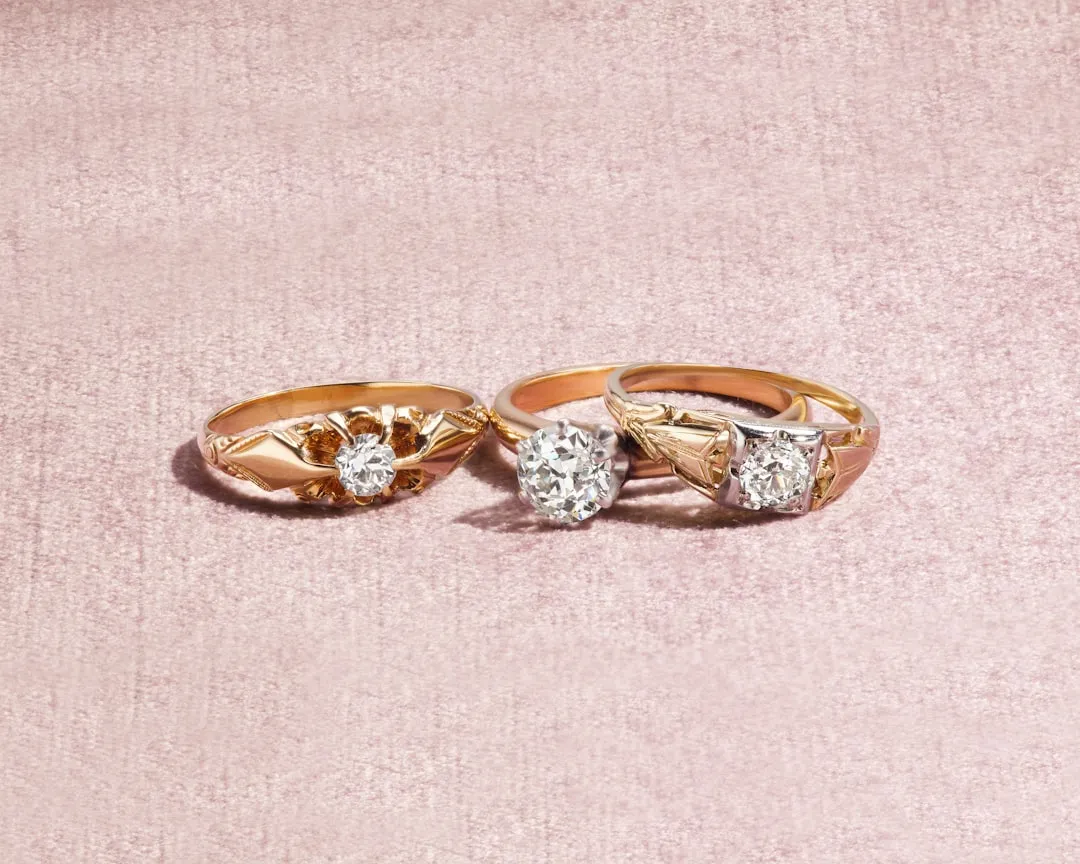
A 3-carat diamond occupies a category of its own. At this size, every detail of grading has a visible impact, every decision carries more financial weight, and the opportunity to create something truly exceptional is genuinely within reach. Whether you are planning a landmark engagement ring, a statement pendant, or a modern heirloom, understanding what drives the price of a 3-carat diamond puts you in a far stronger position to invest wisely.
This guide covers the factors that shape cost, compares lab-grown and natural options side by side, and explains how to find the stone that fits your priorities, values, and budget.
What Determines the Price of a 3-Carat Diamond?
Size is the most obvious factor, but it is far from the only one. A 3-carat diamond can range from under ten thousand dollars to well over one hundred thousand, depending on the combination of qualities described below.
The Four Cs
Carat: At three carats, rarity becomes a significant price driver. A 3-carat stone is not simply three times the price of a 1-carat stone; it is typically five to ten times more, because larger diamonds of comparable quality are substantially harder to find.
Cut: Cut is arguably the most consequential of the four Cs at this size. A precisely cut 3-carat stone returns light dramatically; a poorly cut one looks flat regardless of its clarity or color grade. Premium cut grades carry a meaningful price premium, and they earn it.
Clarity: High clarity grades such as VVS1 or Internally Flawless can push prices into the six-figure range. For buyers who are willing to trade some clarity for size or cut, a VS1 or VS2 grade in a 3-carat stone will typically be eye-clean while leaving room in the budget for a finer setting or metal.
Color: Colorless grades (D through F) command the highest prices, particularly at larger carat weights where body color becomes more visible to the eye. Near-colorless grades (G through I) represent strong value and are difficult to distinguish from D color without laboratory instruments, especially once the stone is set.
For a thorough grounding in how these grading standards work in practice, our fine jewelry guide covers the essentials alongside examples from our own inventory and commissions.
Shape and Visual Spread
Round brilliant cuts consistently command the highest prices at any carat weight because they require more rough material to produce and remain the most sought-after shape. For buyers who want maximum visual coverage relative to cost, certain elongated shapes offer a compelling alternative:
- Oval and emerald cuts offer excellent finger coverage and tend to appear larger face-up than rounds of the same carat weight.
- Pear and marquise cuts elongate the appearance of the hand and can read dramatically larger than their carat weight suggests.
Shape selection also affects how a stone interacts with its setting. If you are considering a stacked or multi-band design, our engagement and wedding collection illustrates how different shapes and settings work together.
Lab-Grown vs. Natural: A Direct Comparison
Origin is currently the single largest price differentiator in the diamond market. Lab-grown diamonds are physically and optically identical to mined stones; the difference is that they are produced in a controlled environment rather than extracted from the earth.
| Diamond Type | Approximate Price Range |
|---|---|
| 3ct Lab-Grown (G, VS1) | $6,000 to $20,000 |
| 3ct Natural (G, VS1) | $30,000 to $100,000+ |
Lab-grown diamonds at the 3-carat range typically cost 20 to 60 percent less than their natural counterparts, as Forbes has reported in its coverage of the evolving diamond market. That difference in acquisition cost can be reallocated toward a better setting, a finer metal, or engraving and customization that would otherwise be out of reach with a natural stone of comparable size.
For clients who place weight on environmental and ethical considerations alongside brilliance, lab-grown stones sourced through transparent supply chains represent a clear alignment of values and budget. Our materials and sourcing guide explains how we evaluate and select both lab-grown and natural options for our clients.
Real-World Price Examples
| Scenario | Description | Estimated Price |
|---|---|---|
| 3ct Lab-Grown Oval, G–VS1, Platinum | Bridal setting with halo | $8,000 to $12,000 |
| 3ct Natural Round, D–VVS1, Solitaire | Ideal cut, exceptional clarity | $75,000+ |
| 3ct Lab-Grown Radiant, Custom Stack | Bespoke wedding stack with pave band | $10,000 to $15,000 |
One of the practical advantages of working with a lab-grown stone at this price point is the latitude it creates for the setting itself. Metal quality, accent stones, engraving, and bespoke design elements that would require significant compromise with a natural stone become genuinely accessible options.
Expert Guidance for a 3-Carat Purchase
- Prioritize cut over clarity. A well-cut stone at a lower clarity grade will outperform a poorly cut stone at a higher one, and it will be more visually striking in almost every lighting condition.
- Require independent certification. The Gemological Institute of America (GIA) and IGI are the two most widely respected grading laboratories. A certified stone gives both buyer and seller a shared, objective baseline that removes ambiguity from the conversation.
- Balance your budget across the stone and the setting. At this carat weight, the setting has an outsized influence on the finished piece. Allocating thoughtfully between stone and design produces a better result than maximizing one at the expense of the other.
- Compare grading reports across multiple stones. Two stones with identical grades can look quite different in person. Seeing them side by side, or working with a jeweler who can evaluate them on your behalf, produces far better outcomes than buying from a specification sheet alone.
Who Typically Invests in a 3-Carat Diamond?
The clients we work with at this carat weight tend to fall into a few distinct categories, though the motivation is almost always the same: they want a piece that carries genuine weight, both visually and personally.
- Engaged couples seeking a larger center stone often pair a 3-carat diamond with a hidden halo or side accent design that adds depth without competing with the primary stone.
- Statement and cocktail ring buyers who want something designed to command attention in a social setting.
- Collectors and investment buyers drawn to rare color or cut combinations where the stone itself represents a long-term holding rather than purely a wearable piece.
Each of these goals leads to a different design conversation. Our custom design process starts with understanding exactly what you are trying to accomplish before any stone or setting is selected.
A 3-Carat Diamond Done Right
A 3-carat diamond is a significant commitment, and the confidence behind that commitment comes from clarity: knowing what you are buying, understanding why it is priced the way it is, and working with someone who will be honest with you throughout the process. Whether you are drawn to a natural stone for its rarity or a lab-grown stone for its value and ethical profile, the decision deserves a thoughtful conversation rather than a transaction.
At Quantum Qarat, we work with clients privately and without sales pressure to find or design the right piece for their priorities. Book a private consultation and we will bring certified 3-carat options to the table alongside an honest breakdown of what each one represents.
At three carats, the paperwork matters
A stone this size should be insured, and insuring it properly means a written appraisal that identifies the diamond in enough detail to replace it — measurements, color and clarity grades, cut quality, and any lab report referenced by number. A photograph and a receipt are not enough.
It also means the setting deserves annual attention. A three carat stone puts real load on its prongs, and worn prongs are how large diamonds get lost.
At three carats, the paperwork matters
A stone this size should be insured, and insuring it properly means a written appraisal that identifies the diamond in enough detail to replace it — measurements, color and clarity grades, cut quality, and any lab report referenced by number. A photograph and a receipt are not enough.
It also means the setting deserves annual attention. A three carat stone puts real load on its prongs, and worn prongs are how large diamonds get lost.