
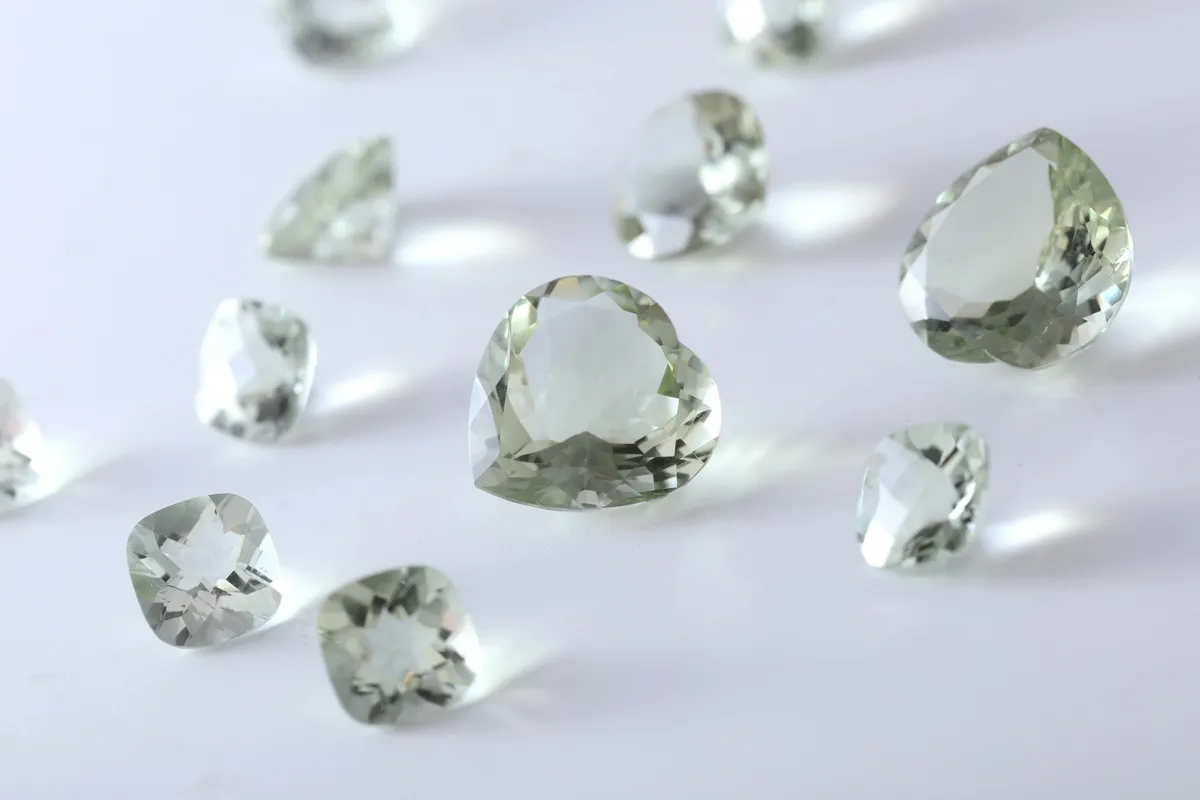
Ever find yourself mesmerized by a gemstone that seems to catch every glimmer of light, while another draws you in with one smooth, cool glow? Hi there, I’m Zak Briggs, the guy behind Quantum Qarat in Phoenix, and whether you’re gearing up to pop the question or dreaming about a custom necklace, I’m here to clear up the mysteries of gemstone cuts and shapes, personally.
What Makes a Gemstone Cut Really Count?
Let me let you in on a little secret: the shape everyone always talks about is just the tip of the iceberg. A gemstone cut is all about how skilled hands work the raw stone so that light bounces, flashes, and dances through. This magic of angles and facets makes all the difference, stirring up brilliance - or the kind of colorful shimmer gem geeks like me call "fire." According to the International Gem Society, truly understanding these details can help you find a piece that feels made just for you. And I couldn’t agree more.
Meet the Main Types of Gemstone Cuts
- Brilliant Cut: Famous for its triangle and kite-shaped facets, this cut aims to rival a disco ball. The round brilliant, with its classic 58 facets, is the hero of engagement rings - unbeatable in its sparkling power.
- Step Cut: Imagine rows of rectangular facets neatly stacked like stairs. Styles such as the emerald or baguette cut show off a gem’s pure color and clarity, trading sparkle for what I like to call dramatic honesty, much like the chic “hall of mirrors” vibe found in an emerald cut.
- Mixed Cut: Here’s where we jewelers get creative. These cuts combine the best features from both brilliant and step styles. Take the radiant cut: it mixes the step’s shape with the brilliant’s flash. You might even find designs blending smooth domed surfaces with glittering facets - a treat for anyone who loves a twist.
Emerald Cut vs. Brilliant Cut: Which Is Calling Your Name?
This might be my most-asked question in the shop: what’s really different between an emerald cut and a brilliant cut? The answer is simple: it’s a matter of light and focus. Brilliant cuts are designed to squeeze out every last drop of sparkle, making them perfect for diamonds or colorless stones where shimmer is king. The emerald cut, on the other hand, offers a long, clean display meant to showcase the gem’s deep clarity or striking color. It’s like comparing a glittery party dress to an elegant, tailored suit. If you want every nuance of your stone to show, especially if it's high-grade, emerald is your gal. The insights over at Beads of Cambay are spot on: choose emerald for color perfection, or brilliant for that blinding sparkle.
Shape vs. Cut: The Hidden Difference
People often confuse gemstone "shape" - think round, oval, heart, or pear - with "cut." Here’s the scoop: shape is just the outline. Cut is all about what happens on the inside and how it’s brought to life. For bold pieces like cocktail rings or statement necklaces, I find that step cuts or radiants can be show-stoppers, letting a gem’s color take center stage. Smaller pieces, like stud earrings or dainty bands, benefit from the tighter, flashier effects of brilliant or princess cuts - they pack a lot of punch in a petite package. More on this from Tianyu Gems, a resource I turn to often for the latest inspiration and trends. My golden rule: imagine where and how you’ll wear your piece, and lean toward the shape that makes you smile every time you glance down at your hand.
The Nitty Gritty: Picking Your Perfect Gemstone Cut
- Step cuts are best for stones with top-tier clarity, as any inclusions are easier to spot due to the wide open windows the cut creates.
- Brilliant cuts are your friend if you want to play up flash and minimize little flaws, as the intricate facets bounce light all over the place.
- Mixed cuts are my go-to for folks who want rich color and an extra sparkle.
- If you want to break the mold, modern cuts like the checkerboard or Portuguese take gemstone dazzle to another level. The folks over at Q Evon have explored these in depth, and I love incorporating their ideas into bold custom projects.
Ready to imagine your own piece? Stop by our Custom Jewelry page to see what’s possible when unique cuts meet truly personal design. We love a good challenge.
Gemstone Cuts & Shapes: Your Cheat Sheet
- Round brilliant: Brings the most sparkle, timeless for rings.
- Princess: Sleek, modern, full of angles - perfect for a stylish edge.
- Emerald: Classic and understated; shows off clarity and color like no other.
- Oval & Pear: Slender, flattering, and a nice blend of fire and size.
- Radiant: Gets you both bold color and big sparkle. It's my sneaky favorite for statement rings!
Want to see these in action? Take a peek at our Engagement and Wedding Jewelry gallery for real-life inspiration from couples who trusted us to bring their vision to life.
FAQ: Gemstone Cuts and Shapes
- What's the most beloved gemstone cut?
If you’re aiming for sparkle, it’s gotta be the round brilliant. Nothing comes close for that wow factor. - Are step cuts or brilliant cuts more expensive?
Depends on the stone. Flawless stones command more with step cuts because nothing is hidden, while brilliant cuts can disguise minor imperfections. - Can I design a custom piece with any shape or cut?
Of course! At Quantum Qarat, we thrive on tailor-made jewelry and can blend your taste with the best cut for your gem and lifestyle. - Where can I expand my jewelry knowledge?
Our Education center is packed with down-to-earth guides and pro tips I wish I’d had when I started out - dive in any time.
Wrapping Up: Your Journey to the Perfect Stone
No two gems - or customers - are quite the same. Whether you’ve got your heart set on the magical glimmer of a stunning round brilliant or you lean toward the subtle sophistication of an emerald cut, knowing what makes each style tick is the most powerful tool for picking the right stone. Want my advice? Spend some time trying on different shapes, ask questions, and trust your instincts. For one-on-one guidance, you can always book a personal consultation with me and my team. Let’s make your jewelry dreams a reality, together.