
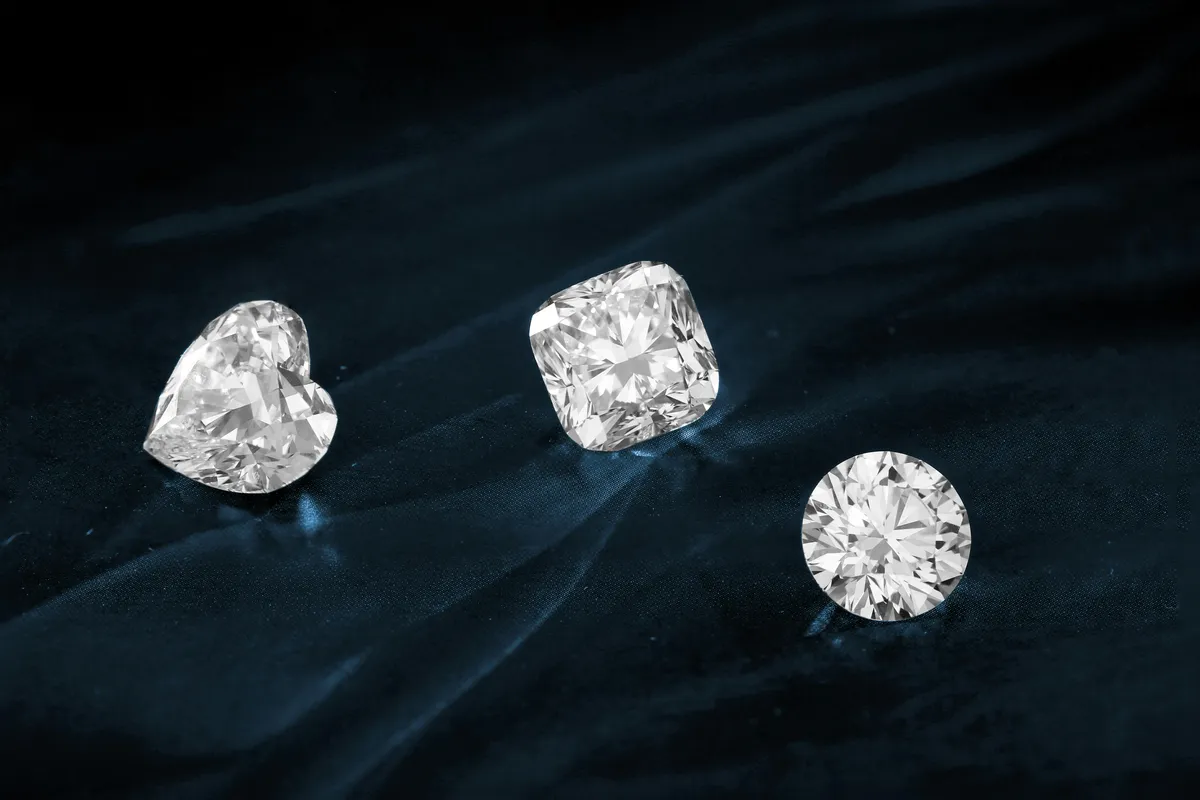
Hey there, Zak here - if you’ve ever found yourself dazzled (and a bit overwhelmed) by the sparkle of diamonds, you’re definitely not alone. I’ve spent years behind the jeweler’s bench at Quantum Qarat in Phoenix, talking with couples, friends, and families about what makes one diamond stand out from the rest. Today, I’m going to pull back the curtain on the concept jewelers call the 4Cs - cut, color, clarity, and carat. Consider this your personal, no-nonsense guide to finding a diamond that’s perfect for your story and your budget.
What Are the Diamond 4Cs?
Let’s kick things off with the basics - what do I mean when I say "the 4Cs"? Way back in the 1940s, the Gemological Institute of America (GIA) invented the diamond 4Cs grading system, which has become the worldwide gold standard. The 4Cs - cut, color, clarity, and carat - let you compare every diamond with confidence, whether you’re after a show-stopper engagement ring or a custom piece to mark a special moment. Want to geek out on the technical details? Take a look at GIA’s in-depth education portal.
Diamond Cut: Where Sparkle Meets Science
Here’s something I share with all my clients - the cut of a diamond is truly the magic ingredient. It’s not just about whether you like round, princess, or pear shapes. It’s how all those tiny facets (like pages of a book) are shaped to bounce and bend light, creating breathtaking sparkle. Honest truth? Even a rock with a sky-high color or clarity grade can look meh if the cut is off. For a great rundown on why cut sits king, check out the experts over at Diamonds Pro.
- Always focus on cut quality - aim for diamonds graded Excellent or Very Good
- A well-cut stone will look more brilliant, even if there are slight flaws elsewhere
- Remember, cut and shape aren’t the same thing - they’re like apples and oranges
When you walk into my shop, I’ll make sure you see a variety of cuts under real lighting, not just under jewelry-case spotlights. You might be surprised which stones catch your eye.
Diamond Color: The Subtle Art of Hue
Now, let’s talk color - but not in the way you might expect. In the diamond world, "color" actually means how close a stone comes to pure, icy white. Diamonds are graded from D (the purest, totally colorless) down to Z (with a hint of yellow or brown). For most folks, diamonds in the G to J range appear beautifully white once set, making them a sweet spot for value. The folks over at HiHolden break this down really clearly.
- D-F: Highest color grades - rare and priced to match
- G-J: Near-colorless - great balance of beauty and budget
- K-M: Slight tint, but can be stunning in yellow gold or vintage settings
I love showing clients real gemstones, side by side, so you can see for yourself if a slightly lower color grade catches your fancy and budget. Get more details and browse actual comparisons at our Diamonds and Diamond Jewelry page.
Diamond Clarity: Every Stone Has a Story
No diamond travels from deep inside the earth to your finger without picking up a few character marks - what we call inclusions (inside) and blemishes (outside). The clarity scale might sound like alphabet soup, from Flawless (FL) down to Included (I1-I3). Here’s the honest scoop: many inclusions are nearly impossible to spot without a microscope. Your main goal is finding an "eye-clean" diamond, where any natural quirks are invisible with the naked eye. If you want to see how the pros grade clarity, De Beers covers it with helpful images.
- FL-VVS: Super rare, looks flawless even under magnification
- VS-SI: Usually looks perfect to the eye (excellent choice for most people)
- I grades: Visible inclusions, but sometimes worth considering for the right price
In my showroom, I hand-pick stones where the inclusions don’t spoil the beauty or strength. Want to dive deeper into diamond clarity tips? Head to our Education page for more info.
Carat Weight: Bigger Isn’t Always Better
Let’s clear up a common mixup: carat is all about weight, not size. One carat clocks in at 0.2 grams, but two one-carat diamonds can look totally different based on how they’re cut. While there’s nothing wrong with wanting some finger bling, a slightly smaller, but superbly cut diamond will outshine its heavier but poorly cut cousin any day of the week. For smart tips on maximizing size and sparkle, check out Ritani’s advice.
- Consider carat, but don’t let it be the boss of your budget
- Think about carat weights just under the next whole number for better value (a little trick I always share!)
- Always see stones side by side; sometimes that 0.94ct catches the light better than a one-carat chunk
How to Weigh the 4Cs in Your Search
Alright, you’re armed with the basics. But how do you put all this together? Here’s the method I recommend to everyone who sits across from me:
- Cut quality comes first - get the most light and brightness possible
- Color - choose a stone that looks white to your eyes in its intended setting
- Clarity - find a grade where any flaws can’t be seen in real life
- Carat - pick the biggest, boldest look for your budget, once the other boxes are ticked
Thanks to grading certificates (like a GIA report), diamond shopping has never been more transparent. Years ago, customers had to rely on trust alone; now, you can see exactly what you’re getting. For a trustworthy breakdown of certification, the American Gem Society’s 4Cs guide is a great read.
If you’re dreaming up a piece that’s totally your own, check out our Custom Jewelry collection to see the 4Cs at work in real designs.
Frequently Asked Questions About Diamond 4Cs
- Which of the diamond 4Cs should I care about most?
If you learn nothing else from today, hear this - cut is king. Brilliance and wow-factor come directly from cut, every single time. - Should I go for top color and clarity grades?
Not unless you want to pay extra for differences you probably won’t see. Near-colorless and eye-clean VS or SI stones offer big value. I’ll walk you through side-by-side samples so you can see the real-life tradeoffs. - What’s better - a bigger diamond or a better-cut one?
Always go for cut. A smaller diamond with an amazing cut stops people in their tracks, while a big one with a dull cut just sits there. Trust me, I’ve seen it happen more times than I can count. - How do I make sure I’m really getting what’s described?
Insist on certified gems - look for a GIA or AGS grading report. And work with a jeweler who’s open about their sourcing and process. For more on verifying what you’re buying, take a look at our post on free online ring appraisals. - Can I create a ring or necklace that’s totally custom to my style?
Absolutely. Helping someone dream up and create a unique piece is what gets me excited to go to work. If you’d like to see how the 4Cs can be personalized, start exploring our Engagement and Wedding Jewelry ideas.
Conclusion: Your Diamond, Your Story
Choosing the right diamond is a rite of passage and a chance to celebrate something special. Don’t let the technical lingo get in your way - at Quantum Qarat, I’m here to simplify the process and add a little sparkle (and maybe a wink or two) along the way. Remember to prioritize cut, trust your gut with color, check for eye cleanliness in clarity, and let the carat reflect your taste and budget.
If you want hands-on advice, a personal diamond education, or simply to pick my brain, book a one-on-one appointment. Or, if you’re browsing for inspiration, have a look at our fine jewelry collections. Let’s make something beautiful together.